

That sinking feeling when your car insurance bill arrives is all too common here. You’re not alone in wondering why is car insurance so expensive in California. It often feels like you’re paying a fortune, and the reasons aren’t always clear. The truth is, a mix of dense traffic, high accident rates, and unique state laws drives up costs for everyone. Understanding these factors is the first step to making smarter decisions about your coverage. At Deldar, we see how these high premiums impact accident victims daily. We’ll explain exactly why your rates are so high and what recent legal changes mean for your wallet.
READ MORE: How Much is Car Insurance in California?
What Makes California Car Insurance So Expensive?
Car insurance rates in California are influenced by several unique factors, making it important to understand what contributes to these high premiums. Let’s take a closer look at the key reasons why is car insurance so expensive in California:
- High Population Density: California is the most populous state in the U.S., and with more drivers on the road, the likelihood of accidents increases significantly. Urban areas like Los Angeles and San Francisco experience higher traffic congestion, leading to a higher frequency of claims.
- Strict State Regulations: California requires insurers to base rates primarily on factors such as driving history, miles driven, and years of experience. Insurers cannot use credit scores or other personal factors, limiting their ability to spread risk and resulting in higher premiums for all drivers.
- Uninsured Drivers: According to several studies, California has one of the highest rates of uninsured drivers in the country. When uninsured drivers cause accidents, the costs are passed on to insured drivers through higher premiums.
- Natural Disasters: California is prone to wildfires, floods, and earthquakes, which can cause significant damage to vehicles. Insurers factor this added risk into car insurance rates.
- Litigation Costs: California has a high rate of personal injury claims and lawsuits related to car accidents. Legal expenses and payouts increase everyone’s insurance costs.
Rising Vehicle and Repair Costs
One of the most significant drivers of high insurance premiums is the sheer cost of fixing cars after an accident. Modern vehicles are packed with sophisticated technology that, while making them safer, also makes them incredibly expensive to repair. From sensors and cameras to complex computer systems, what used to be a simple bumper replacement can now involve recalibrating multiple electronic systems. This complexity means repairs take longer and require specialized technicians, pushing labor costs up. When you file a claim, your insurer has to cover these inflated expenses, and they pass that cost along to all policyholders through higher rates. It’s a cycle where advancements in auto tech inadvertently contribute to the financial strain on drivers.
The Impact of Modern Technology
Today’s cars are essentially computers on wheels. Features like adaptive cruise control, lane-keeping assist, and automatic emergency braking rely on a network of sensors, cameras, and radar units embedded in bumpers, windshields, and side mirrors. Even a minor fender-bender can damage these components, leading to repair bills that are thousands of dollars higher than for older vehicles. For instance, replacing a windshield might now require recalibrating forward-facing cameras, a procedure that adds hundreds to the cost. Insurers have to account for these potential high-cost repairs when setting premiums, which is why owners of new, tech-heavy cars often see higher rates. After a collision, ensuring these systems are properly repaired is critical for your safety, and it’s a key detail a skilled auto accident attorney will focus on when calculating damages.
Why Electric Vehicles Cost More to Insure
Electric vehicles (EVs) are becoming more common on California roads, but their unique design presents new challenges for insurance companies. The battery pack, which is the most expensive component of an EV, is often located in the undercarriage, making it vulnerable to damage in a collision. Repairing or replacing an EV battery can cost tens of thousands of dollars—sometimes more than the value of the car itself. Furthermore, EVs are often heavier than their gas-powered counterparts, which can lead to more severe damage in multi-car accidents. Because there are fewer technicians qualified to work on them, labor costs are also higher. These factors combine to make EVs a higher risk for insurers, resulting in more expensive premiums for their owners.
Inflation and Supply Chain Issues
The economy at large has a direct impact on your car insurance bill. Widespread inflation has driven up the cost of everything from raw materials to labor, meaning auto parts are more expensive than ever before. On top of that, ongoing supply chain disruptions can make it difficult to get the necessary parts in a timely manner. This not only delays repairs but also increases associated costs, like the expense of a long-term rental car, which insurance often covers. When an insurer’s costs for parts, labor, and rentals go up, they compensate for these losses by raising premiums for everyone. This economic pressure has been a major factor in the recent surge in insurance rates across California.
Economic and Regulatory Factors
Beyond the costs of cars and repairs, the insurance industry in California is shaped by a unique economic and regulatory environment. State laws dictate how insurance companies can set their prices, and recent economic shifts have put immense pressure on this system. For years, California drivers benefited from regulations that kept rates relatively stable, but the landscape is changing. Insurers are now trying to make up for past losses while dealing with new economic realities, leading to the steep rate hikes many are experiencing today. Understanding these behind-the-scenes factors is key to grasping why your bill has gone up so much, so quickly.
The Post-Pandemic Rate Adjustment
During the COVID-19 pandemic, the California Department of Insurance paused rate increases for auto insurers. With fewer people driving and fewer accidents occurring, this freeze made sense at the time. However, as life returned to normal, traffic and accident rates rebounded. Insurers found themselves facing rising claim costs due to inflation and supply chain issues, but they were unable to adjust their rates accordingly. Once the state began approving rate hikes again, many companies implemented substantial increases to compensate for the losses they incurred during the freeze. This sudden correction is a primary reason why many Californians have seen their premiums jump significantly in a short period.
The Legacy of Proposition 103
California’s insurance market is governed by Proposition 103, a law passed in 1988 that gives the state’s Insurance Commissioner the power to approve or deny rate changes. For a long time, this regulation helped keep California’s rates lower than in many other states by requiring insurers to justify any increases. However, the same law that once protected consumers is now at the center of the current crisis. Faced with mounting losses, insurers are submitting requests for large rate hikes, arguing they are necessary to remain solvent. While Prop 103 ensures these requests are scrutinized, the economic pressures are so intense that significant increases are still being approved, shifting the financial burden onto drivers.
Declining Insurer Profitability
At the end of the day, insurance is a business, and when companies aren’t profitable, they take action. In recent years, the profitability of California’s auto insurance market has dropped sharply. The combination of the rate freeze, rising repair costs, and the increasing frequency and severity of accidents has created a perfect storm. Some major insurers have even reduced their presence in the state, limiting new policies to cut their losses. For the companies that remain, raising rates is one of the only tools they have to restore profitability. This business reality means that until the financial outlook for insurers improves, drivers will likely continue to face high premiums.
Personal and Geographic Factors
While broad economic and industry trends set the stage, your individual car insurance rate is ultimately determined by personal and geographic factors. Insurers use a range of data points to assess your specific risk profile—essentially, how likely you are to file a claim. Everything from your zip code to the car you drive plays a role in the final number you see on your bill. These factors are highly specific to California’s unique landscape, where the difference of just a few miles can mean a significant change in your premium. Understanding how your personal circumstances fit into this puzzle can help you identify why your rate is what it is.
How Your Location Affects Your Rate
In California, where you live has a massive impact on your insurance costs. Drivers in densely populated urban areas like Los Angeles or the Bay Area typically pay much more than those in rural communities. This is because cities have more traffic, higher rates of accidents, and more vehicle theft and vandalism. For example, drivers in Southern California can expect to pay rates significantly higher than the state average. Insurers use zip codes to analyze local claim data and set prices accordingly. If you live in an area with a history of frequent or expensive claims, your premium will reflect that elevated risk. It’s one reason why our firm has offices across California—we understand that the challenges victims face are often tied to their specific location.
The Role of Age and Vehicle Type
Your driving experience and the type of vehicle you own are two of the most critical factors in determining your insurance rate. Younger, less experienced drivers are statistically more likely to be involved in accidents, so they face some of the highest premiums. On the other hand, a long, clean driving record can lead to significant discounts. The car you drive matters, too. A high-performance sports car or a luxury SUV is more expensive to repair or replace than a standard sedan, leading to higher insurance costs. These vehicles are also sometimes associated with riskier driving behavior, which insurers factor into their calculations. Accidents involving these types of vehicles can also lead to more catastrophic injuries, increasing the potential payout from a claim.
Are Californians Really Paying More for Car Insurance?
California’s car insurance rates are consistently higher than the national average. According to industry data, the average cost of full coverage car insurance in California is approximately $2,973 per year, compared to the national average of $2,638. Factors like high repair costs, frequent accidents, legal fees, and the rest of the list above contribute to the disparity. Knowing the answer to, why is car insurance so expensive in California helps you make informed decisions when selecting a policy.
A Look at Recent Rate Hikes
If you’ve felt a sting when opening your car insurance bill lately, you’re not alone. Rates across California have been climbing at a startling pace. According to one analysis, the average cost for full-coverage insurance jumped by a staggering 54% in a single year. A major reason for this surge is the combination of high inflation and the soaring costs of vehicle repairs. Modern cars are packed with complex electronics and sensors, which means even a minor fender-bender can lead to an expensive repair bill. While California’s Proposition 103 has historically helped keep rates in check, even those regulations haven’t been enough to stop the recent skyrocketing costs that insurers are now passing on to drivers.
Senate Bill 1107: What It Means for Your Car Insurance Rates
The recent implementation of Senate Bill 1107 increases the minimum auto insurance coverage limits in California. Under the new law, drivers must carry at least $30,000 in bodily injury liability per person (up from $15,000) and $60,000 per accident (up from $30,000). While this change provides better protection for accident victims, it has led to higher costs for policyholders. For more information on how Senate Bill 1107 impacts insurance rates, read our blog about New California Car Insurance Laws in 2025.
How to Lower Your Car Insurance Costs
While the high cost of car insurance in California can feel overwhelming, you aren’t powerless against rising premiums. There are several practical steps you can take to manage your expenses without sacrificing the essential protection you and your family need on the road. Taking a proactive approach to reviewing your policy, understanding your coverage, and exploring all available options can lead to significant savings. It’s about making informed choices that fit your budget while ensuring you have a solid safety net in place. These strategies can help you take back some control over your monthly bills.
Review and Adjust Your Policy
One of the most direct ways to influence your premium is by looking closely at your policy details. Choosing a higher deductible—the amount you pay out-of-pocket before insurance kicks in—can lower your monthly payments. Just be sure you can comfortably afford that deductible if you need to file a claim after an auto accident. Similarly, if you drive an older car with a lower market value, it might be time to evaluate whether you still need comprehensive and collision coverage. Sometimes, the annual cost of this extra protection can be more than the car is worth, making it a less practical expense.
Ask About Available Discounts
Insurance companies offer a variety of discounts, but they aren’t always applied automatically. It pays to be proactive and ask your agent what you might be eligible for. Common discounts include those for maintaining a good driving record, bundling your auto policy with home or renters insurance, or having specific safety and anti-theft features in your vehicle. Students with good grades can often qualify for savings, too. A quick phone call to your provider could uncover savings you’ve been missing out on, so don’t hesitate to inquire about every possible option.
Explore the California Low Cost Auto Insurance Program (CLCA)
For drivers who meet certain income requirements, the state has a program designed to make basic coverage more accessible. The California Low Cost Auto Insurance Program (CLCA) provides affordable liability insurance that meets the state’s minimum financial responsibility laws. This program is a crucial resource for low-income individuals and families, ensuring they can stay legally insured without facing overwhelming financial strain. If you think you might qualify, it’s definitely worth looking into the eligibility criteria and application process. It’s a state-specific solution that can provide significant relief from high premiums.
After a Crash: Who to Call First, Your Insurer or Your Attorney?
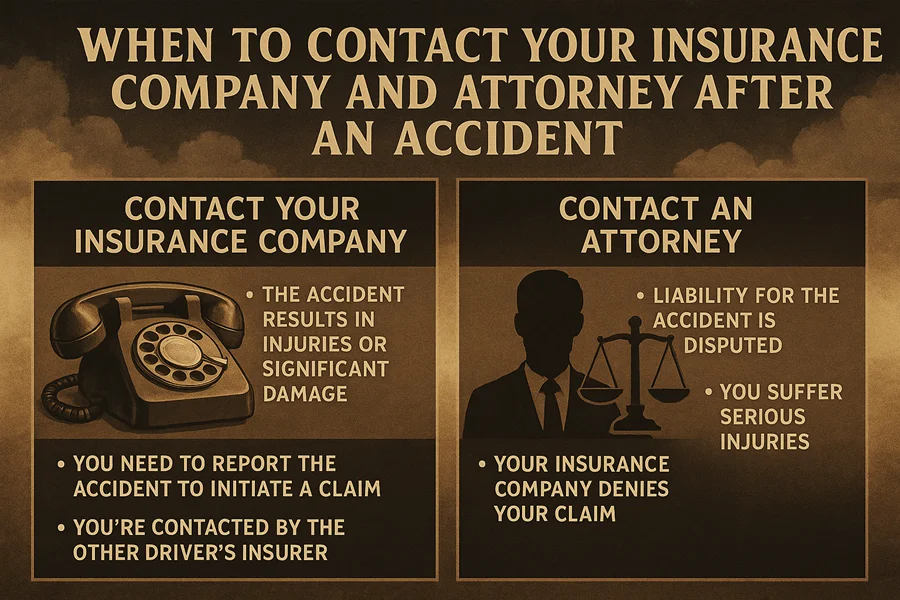
If you have been involved in an accident, one of the first steps is to report it to your insurance company as soon as you can. Most insurance policies require that you notify them quickly after a crash. Early reporting helps prevent delays, keeps your claim valid, and protects your rights under the policy. When you call, keep your description simple and factual. Share the date, time, location, who was involved, what damage you can see, and whether the police came to the scene. Avoid guessing about what caused the accident or admitting fault until the details are clear.
It is also wise to reach out to a legal accident attorney early in the process, especially if your injuries are serious. Medical bills will start building up, and the other party may start to question who was at fault. An attorney who understands accident cases can guide you on how to speak with insurance companies. They will also help you gather important evidence like photos, medical records, and witness information. With the right accident lawyer, nothing is overlooked. Having a legal professional on your side gives you the support you need so you can focus on your recovery while knowing your rights are protected.
Answering Your Top Questions About California Car Insurance
By understanding why is car insurance so expensive in California, you can identify areas where you might save money. Whether it’s shopping for discounts, maintaining a clean driving record, or understanding new laws like Senate Bill 1107, proactive steps can make a significant difference. At the end of the day, getting into a car accident will drive up your insurance costs the most. This is where our personal injury attorneys at Deldar can help!
Our team will guide you through the complex insurance claims process. With compassion in mind, our attorneys fight aggressively to secure the compensation you deserve. We try to minimize the stress for you and your family. We handle every aspect of your case, from negotiations to litigation, so you can focus on recovery. Contact us today at (844) 335-3271 for a free consultation and let us help you move forward with confidence.
Yes. If you believe your car insurance rate was calculated incorrectly or is unfairly high due to errors in your driving record or coverage information, you can request a rate review with your insurer or file a complaint with the California Department of Insurance.
Filing a claim can affect your insurance rates because insurers often consider claims history when setting premiums. However, it depends on the type of claim, who was at fault, and your insurance provider’s policies.
Yes. You have the right to compare and switch to a different car insurance provider at any time. Shopping around can help you find better coverage options and potentially lower premiums based on your driving history and needs.
Key Takeaways
- Multiple factors drive California’s high rates: Your premium isn’t just one thing; it’s a combination of expensive modern car repairs, post-pandemic rate adjustments by insurers, and unique state challenges like heavy traffic and a high number of uninsured drivers.
- New state laws mean higher required coverage: Senate Bill 1107 increased the minimum liability insurance all California drivers must carry. This provides more financial protection if you’re in an accident but also directly contributes to higher policy costs.
- You can take steps to lower your bill: Don’t just accept a high premium. Be proactive by reviewing your deductibles, asking your agent for a full list of available discounts, and checking if you qualify for the California Low Cost Auto Insurance Program.