

That ticket for an improper carpool lane maneuver can be a shock. You’re likely wondering, how much is a carpool ticket in California? The fine alone is steep, but the real financial pain comes later. The biggest question we hear is, “does a carpool ticket affect insurance in California?” Unfortunately, the answer is almost always yes.
Insurers see this as risky driving, leading to higher premiums. This same risky behavior is why so many serious accidents happen when drivers ignore basic HOV lane rules in California. When you’re the one injured, the stakes are much higher than a simple fine.
Understanding carpool lane rules in California helps drivers avoid tickets, reduce collisions, and know what to do if an accident happens. Deldar Legal takes you through how the law works, who’s allowed to use the HOV lane, and how fault is determined after a crash.
2026 California Law Update: California’s carpool lane enforcement continues to tighten. Under updated Vehicle Code §21655.5, illegal HOV lane entry remains a citable offense. California’s expanded auto accident liability framework under the pure comparative negligence system ensures that injured drivers can recover compensation proportional to the other party’s fault.
What Is a Carpool Lane and Why Does California Use Them?
Carpool lanes were created to reduce traffic congestion and air pollution. By rewarding shared rides, the state encourages fewer cars on the road and smoother freeway movement. Caltrans defines these lanes as High-Occupancy Vehicles Systems (HOV). Depending on the region, HOV lanes sometimes operate 24 hours a day:
- Northern California: Carpool lanes operate only on weekdays during peak commute hours. Most are open from 6 a.m. to 10 a.m. and again from 3 p.m. to 7 p.m. Outside those times, all drivers can use the lanes freely. This schedule is called part-time operation.
- Southern California: The carpool lanes run differently. They are separated from regular traffic by a painted buffer zone and stay open all day, every day. This setup is known as full-time operation.
Most of California’s carpool lanes require two or more occupants, though some stretches allow three. Drivers of electric and low-emission vehicles with valid decals may also use the lane even when driving solo. Motorcyclists are allowed in HOV lanes, but trucks with trailers and certain commercial vehicles are not.
California’s HOV Lane Rules You Need to Know
The laws for carpool lanes fall under California Vehicle Code §21655.5. These rules are meant to keep the lanes safe and fair for all drivers.
Here’s what drivers need to know:
- Only use the HOV lane when your vehicle qualifies (two or more people or a clean-air decal).
- Enter and exit only where the lane divider changes from solid to broken lines.
- Crossing double yellow or solid white lines is illegal.
- Follow posted hours of operation. Some HOV lanes operate only during rush hour.
- Keep your speed consistent with traffic flow and avoid sudden lane changes.
Violating these rules can result in fines that exceed $500 and may add a point to your driving record. More importantly, crossing the line illegally can lead to severe multi-car collisions.
The Dangerous Mistakes That Cause Carpool Lane Wrecks
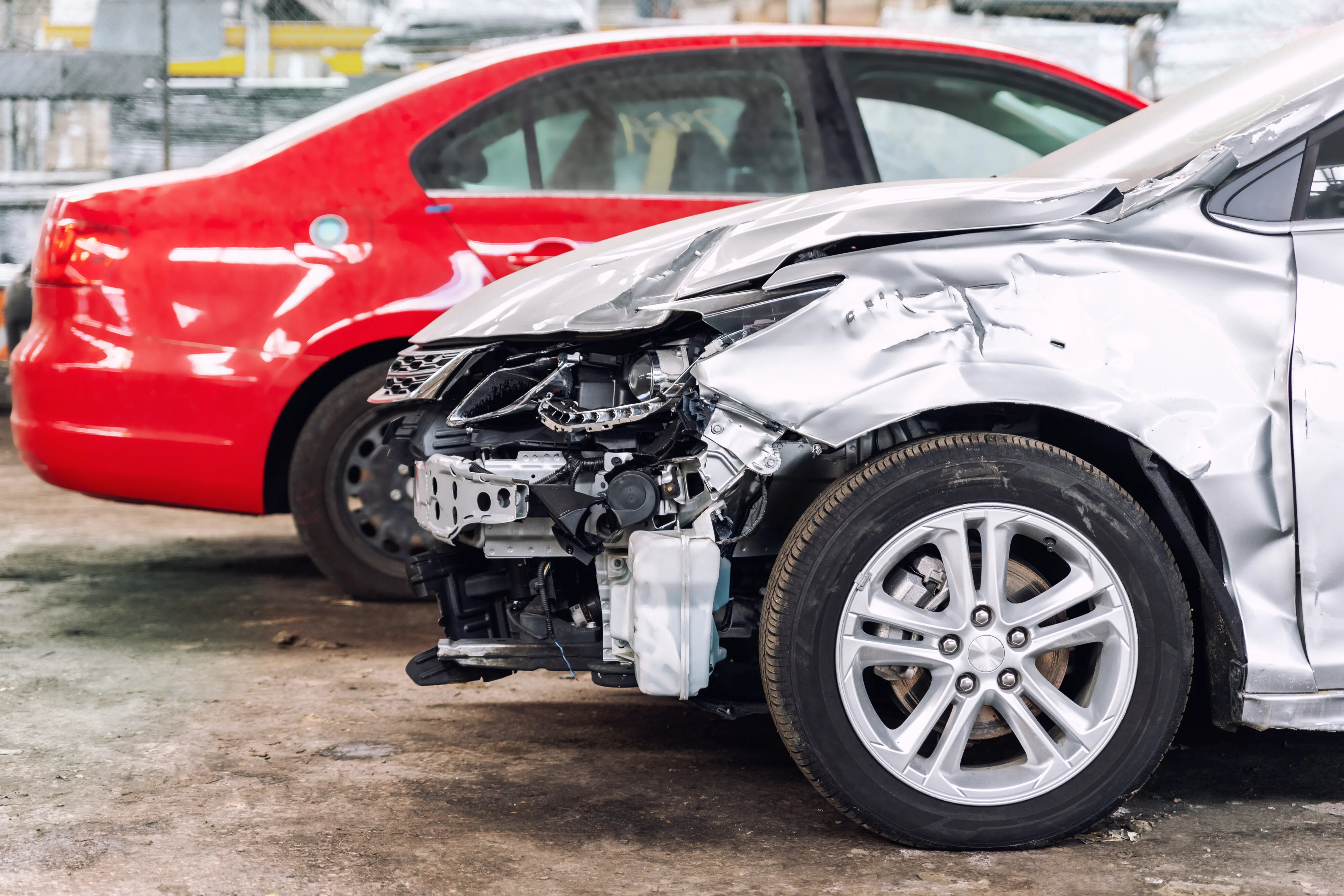
Carpool lane crashes happen quickly and can be devastating because speeds are higher than in regular lanes. The most common causes include:
- Illegal entry or exit across solid lines
- Drivers misjudging the speed of oncoming HOV traffic
- Sudden lane changes to bypass congestion
- Distracted driving or phone use
- Tailgating or following too closely
- Speeding or road rage during peak hours
Even a minor mistake in a carpool lane can cause chain reactions that injure multiple drivers.
Determining Fault in a California Carpool Lane Crash
Fault in a carpool lane accident depends on how and where the crash occurred. In most cases, the driver who violates the lane markings or merges unsafely is held responsible.
If a driver crosses a solid line to enter the lane and hits another car, that driver is almost always at fault. But California’s comparative negligence law allows fault to be shared between drivers when both contribute to the crash. For example:
- If a driver exiting the carpool lane illegally hits a vehicle merging from the next lane, both may share liability.
- If a carpool driver speeding far above traffic flow collides with a slower car entering legally, partial fault may apply.
Police reports, dashcam footage, and witness statements help the CHP and insurers decide how to assign blame.
Will a Carpool Ticket Affect Your Insurance in California?
Drivers cited for illegal lane changes may face traffic court hearings and increased insurance premiums. A ticket for crossing solid lines is more than just a fine, it can impact your coverage and claim process after a crash.
If you were hit by a driver who violated carpool lane rules in California, the insurance company may use the traffic citation as proof of fault. Your lawyer can request these records to strengthen your personal injury claim.
The Financial Impact: How Much Will Your Rates Go Up?
Understanding the Average Rate Increase
The initial fine for a carpool lane violation is just the beginning. The real financial hit often comes from your auto insurance provider. While a carpool ticket might not add a point to your DMV record, it still appears on your Motor Vehicle Report (MVR).
Insurance companies review your MVR and see any violation as a sign of risky driving behavior. According to one analysis, a single carpool lane ticket in California can cause your insurance premiums to jump by an average of 18%. This increase happens because the insurer now views you as more likely to be involved in an accident, and they adjust your rates to cover that perceived risk.
How Long Will a Ticket Affect Your Premiums?
Unfortunately, the rate hike isn’t a one-time penalty. Most traffic tickets will remain on your driving record and impact your insurance premiums for about three years. The exact amount your premium increases and for how long depends on several factors, including your overall driving history and your specific insurance company’s policies.
Some insurers are more forgiving than others, but nearly all will penalize you for a new violation. This extended period of higher payments means a single mistake can end up costing you hundreds, if not thousands, of dollars over time, making that quick dip into the carpool lane a very expensive shortcut.
How Insurance Companies View Carpool Violations
Moving vs. Non-Moving Violations
You might hear that a carpool lane ticket is a “non-moving violation” and assume it won’t affect your insurance. This is a common and costly misunderstanding. While the DMV may classify it differently than a speeding ticket, your insurance company operates under its own set of rules.
Insurers are in the business of assessing risk, and they can decide to charge you more for any infraction that appears on your record, regardless of whether it adds official “points.” From their perspective, illegally crossing solid lines into a faster-moving lane is a clear indicator of risky behavior that could easily lead to a serious collision.
DMV Points vs. Insurer Risk Assessment
It’s crucial to separate how the DMV views a ticket from how your insurer does. The DMV uses a point system to track habitual offenders who may need their driving privileges suspended. Insurance companies use a much broader risk assessment model.
They see any ticket as evidence that you might be more likely to get into an accident and file a claim in the future. This makes you a “higher risk” driver in their eyes. The rate increase is their way of balancing out the financial risk they are taking on by insuring you, turning your traffic ticket into a direct hit on your wallet.
Your Options After Getting a Carpool Ticket
Understanding the True Cost of the Fine
When an officer hands you a ticket, the number you see is only the base fine. The actual amount you’ll have to pay is much higher once various state and county fees are added. In California, it’s common for a carpool violation with a modest base fine to balloon to a total cost of $490 or more.
These additional penalties and surcharges are often not clearly explained on the citation, leading to a nasty surprise when it’s time to pay. Before you decide how to handle the ticket, make sure you understand the full financial obligation you’re facing, as it’s significantly more than just the initial fine.
Is Traffic School an Option?
Many drivers hope traffic school can help them avoid an insurance increase, but this is rarely an option for carpool lane violations. Generally, California courts do not allow drivers to attend traffic school for non-moving violations as a way to mask the ticket from their insurance company.
Since the primary goal of traffic school is often to prevent a point from appearing on your record for a moving violation, it typically doesn’t apply here. You should always confirm your eligibility with the court, but it’s best to assume that you won’t be able to rely on traffic school to keep your premiums down.
What to Do After a Carpool Lane Ticket
Shop Around for New Insurance Quotes
If you’re facing a rate increase at your next renewal, don’t assume you have to accept it. Different insurance companies weigh traffic tickets differently. Some may penalize you heavily for a carpool violation, while others might have a more lenient policy.
Your best move is to be proactive and shop around for new insurance quotes before your current policy renews. Getting quotes from several different providers can help you find a better price and potentially save you a significant amount of money. Loyalty to one company doesn’t always pay off, especially after a new mark appears on your driving record.
Why Carpool Lane Accidents Are More Complicated
Carpool lane accidents can cause more serious damage because of the higher speeds and limited entry points. When a driver cuts into the HOV lane suddenly, other vehicles have little time to react.
These crashes are also harder to investigate because:
- The barrier lines restrict where vehicles can pull over.
- Multiple cars may be involved.
- Witnesses are fewer due to the fast-moving environment.
CHP officers use aerial cameras, freeway footage, and advanced reconstruction techniques to determine how the collision occurred.
What Compensation Can You Get After a Carpool Lane Crash?
If another driver violated HOV rules and caused your injuries, you may be eligible for compensation. Common recoverable damages include economic damages, non-economic damages, and future care costs:
Medical Bills, Lost Wages, and Other Costs
Economic damages cover the measurable financial losses that result from the crash. These can include:
- Medical bills for emergency treatment and follow-up care
- Physical therapy, chiropractic visits, or rehabilitation costs
- Vehicle repair or replacement expenses
- Lost wages or reduced earning capacity due to time off work
- Transportation costs to medical appointments or therapy sessions
Your attorney can use repair invoices, medical records, and employment documentation to calculate these losses. Evidence showing a violation of carpool lane rules in California can also help establish fault and strengthen your claim for full financial recovery.
Compensation for Your Pain and Suffering
Non-economic damages compensate for the emotional and physical toll of the accident. These are losses that can’t be measured in dollars but deeply affect your life. These may include:
- Ongoing pain, soreness, or limited mobility
- Emotional distress, anxiety, or fear of driving
- Loss of enjoyment in daily activities or hobbies
- Reduced quality of life during recovery
These damages recognize the personal impact of your injuries. Your attorney can use medical documentation and personal testimony to show how the crash disrupted your well-being.
Securing Your Future Medical Care
Some injuries from a carpool lane crash require long-term medical attention and rehabilitation. Future care costs help ensure that your settlement accounts for these ongoing needs, such as:
- Continued physical therapy or chiropractic care
- Follow up appointments or specialist evaluations
- Future surgeries or corrective treatments
- Medical equipment or assistive devices for mobility
Your lawyer can work with medical experts to estimate these future expenses and include them in your compensation claim, ensuring your recovery is covered both now and, in the years, ahead.
How Our Attorneys Fight for Carpool Accident Victims
A personal injury lawyer investigates the crash, speaks with insurance adjusters, and represents you in settlement negotiations or court. They can:
- Review traffic and CHP reports
- Analyze lane markings and camera footage
- Interview witnesses and accident reconstruction specialists
- Calculate full compensation for medical and financial losses
- Protect you from lowball insurance offers
Legal help gives you time to focus on healing while your case moves forward.
FAQs: Carpool Lane Rules in California
That driver is typically found at fault, and their insurance company will likely be responsible for damages.
The California Highway Patrol typically handles freeway accidents, including HOV lane incidents.
A ticket for crossing solid lines or misusing the lane can raise your premiums.
Only if they have valid Clean Air Vehicle decals issued by the state.
Yes. Motorcycles are legally allowed to use HOV lanes statewide, even with a single rider.
As of 2026, the base fine for a California carpool lane violation starts at approximately $490 after state and county surcharges. Repeat offenders face higher penalties. The violation can also increase your auto insurance premiums by an average of 18% for up to three years. If the violation contributed to an accident that injured you, contact Deldar Legal for a free case review.
Yes. If another driver violated California Vehicle Code §21655.5 by illegally entering or exiting the HOV lane and caused a collision that injured you, you have grounds for a personal injury claim. California’s comparative negligence law allows you to recover damages even if you share some fault. An experienced attorney from Deldar Legal’s team can help maximize your compensation.
Under California Code of Civil Procedure §335.1, you have two years from the date of the accident to file a personal injury lawsuit. If a government entity is responsible (e.g., Caltrans for poor lane markings), you must file a government claim within six months. Do not wait. Call (844) 335-3271 to protect your rights.
Hurt in a Carpool Lane? Talk to Our Team Now
At Deldar Legal, we’re more than just attorneys, we’re your partners in recovery. If you’ve suffered an injury due to someone else’s negligence, you deserve a top-rated car accident lawyer in California who will fight for your rights and help you rebuild your life.
From the moment you contact us, we handle everything. With a proven track record of over $250 million recovered. See our proven track record of over $250 million recovered, from medical appointments and transportation to insurance negotiations and legal paperwork, so you can focus on healing.
Our experienced team represents clients across a wide range of personal injury cases, including:
- Car, truck, and motorcycle accidents
- Uber and Lyft rideshare accidents
- Pedestrian and bicycle accidents
- Slip-and-fall and premises liability claims
- Dog bites and animal attacks
- Traumatic brain injuries, spinal cord damage, and other catastrophic injuries
- Wrongful death of a loved one
Deldar Legal is here to help. We offer free consultations and work on a no win, no fee basis, so there’s no risk in reaching out.
Call us today at (844) 335-3271 or contact us to speak with an experienced California injury lawyer. Let Deldar Legal fight for the justice and compensation you deserve.
Key Takeaways
- Carpool lane rules in California promote shared rides to reduce congestion and pollution, typically requiring two or more occupants.
- Violations of these rules can lead to fines exceeding $500 and contribute to severe accidents.
- Common causes of carpool lane crashes include illegal lane changes, misjudged speeds, and distracted driving.
- Determining fault in a carpool lane crash relies on traffic laws, often placing blame on the driver violating lane markings.
- Drivers injured due to violations may recover damages for medical costs, lost wages, and emotional distress.