

Key Takeaways
- California is an at-fault state, meaning the driver who caused the accident is financially responsible for your medical bills and other damages.
- Multiple sources can cover your medical bills, including the at-fault driver’s liability insurance, your own health insurance, MedPay coverage, and uninsured/underinsured motorist policies.
- A personal injury attorney can protect your recovery by negotiating medical liens, using letters of protection, and maximizing the amount you keep from your settlement.
California Is an At-Fault State: What That Means for Your Medical Bills
If you are wondering who pays medical bills in a car accident in California, the answer starts with one critical fact: California follows an at-fault insurance system. Unlike no-fault states where your own insurer pays regardless of blame, California law holds the negligent driver financially responsible for all damages, including your emergency room visits, surgeries, rehabilitation, and ongoing care.
This means you have the legal right to pursue the at-fault driver’s liability insurance to cover every dollar of your medical bills after a car accident in California. However, insurance companies rarely make this process easy. They will challenge the severity of your injuries, dispute whether treatment was necessary, and delay payment for as long as possible.
For a deeper look at how California’s fault system works, see our guide: Is California a No-Fault State for Car Accidents?
The At-Fault Driver’s Insurance Pays First
The primary source of payment for your medical expenses is the at-fault driver’s bodily injury liability (BIL) coverage. California law requires every driver to carry minimum liability insurance of $15,000 per person and $30,000 per accident under the state’s financial responsibility laws.
In practice, these minimums are often insufficient for serious injuries like traumatic brain injuries or catastrophic injuries that require long-term medical care. When the at-fault driver’s policy limits are too low to cover your bills, you may need to explore additional avenues of recovery.
Filing a claim against the at-fault driver’s insurer involves documenting every expense, providing medical records, and often negotiating aggressively. This is where having an experienced auto accident attorney becomes essential.
Does Health Insurance Cover Car Accidents in California?
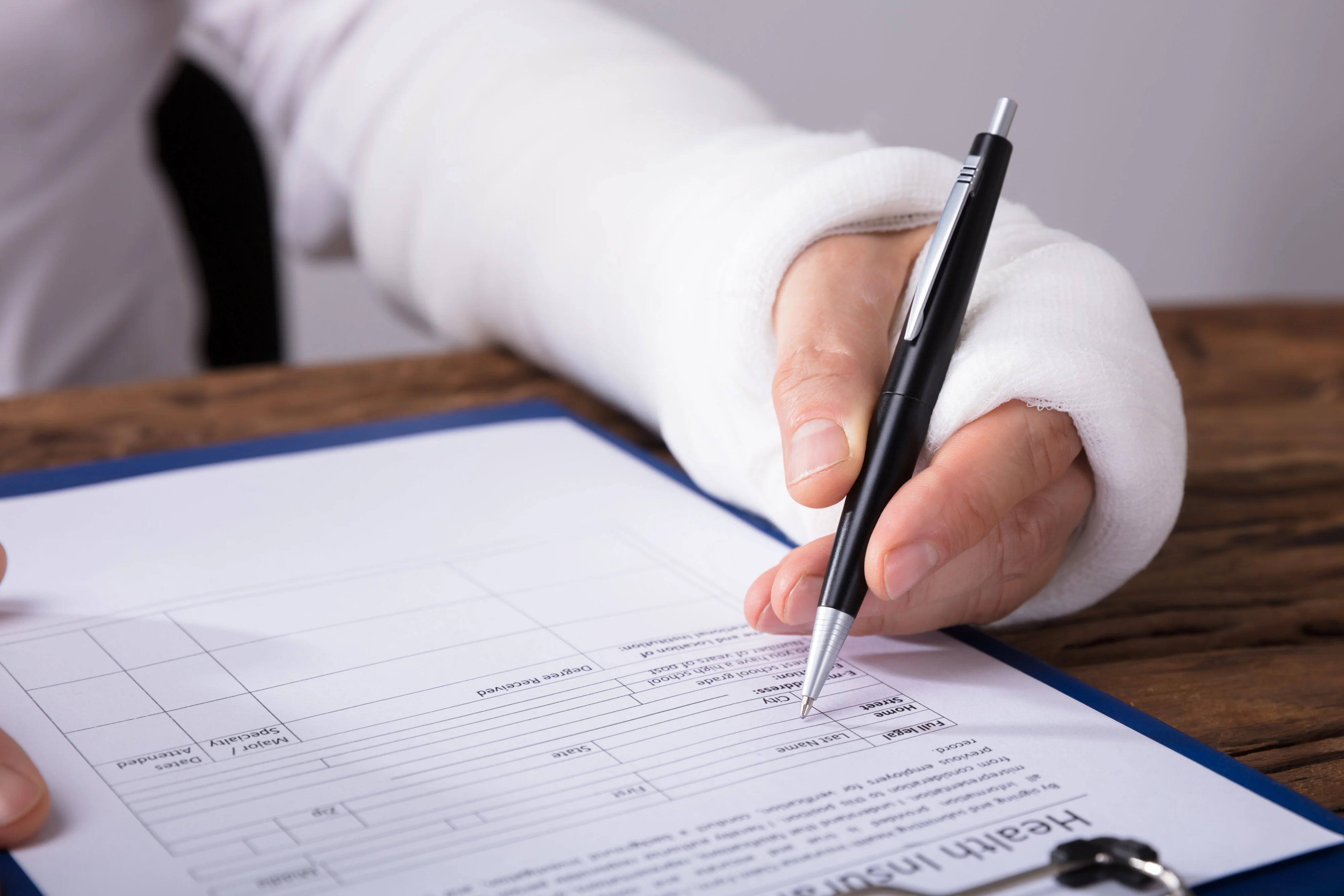
Yes. If you are asking “does health insurance cover car accidents in California,” the answer is that your private health insurance, Medi-Cal, or Medicare can and should be used to pay for accident-related treatment. There is no exclusion in California that prevents health insurance from covering injuries sustained in a car crash.
Understanding insurance coverage is crucial for all types of vehicle damage. Learn about insurance coverage for car wash damage and your options for recovering repair costs.
Using your health insurance offers a significant strategic advantage: health insurers have pre-negotiated rates with hospitals and providers, which means your bills will be substantially lower than the “chargemaster” rates billed to uninsured patients. A $50,000 hospital bill might be reduced to $15,000 through your health plan’s contracted rates.
The trade-off is subrogation. Your health insurer has the right to be reimbursed from any settlement or verdict you receive. However, California law limits subrogation claims, and a skilled attorney can often negotiate these reimbursement amounts down significantly, putting more money in your pocket.
MedPay Coverage: Your Safety Net After a California Car Accident
MedPay (Medical Payments coverage) in California is an optional, no-fault add-on to your own auto insurance policy. It pays for medical expenses regardless of who caused the accident, and it kicks in immediately with no deductible.
Key facts about MedPay:
- No-fault coverage: MedPay pays whether you caused the accident or someone else did.
- Immediate payment: Unlike a liability claim that can take months, MedPay reimburses bills as they come in.
- Covers all vehicle occupants: It applies to you and your passengers.
- Does not affect your premiums: Filing a MedPay claim should not increase your rates.
- Common limits: Policies typically range from $1,000 to $25,000.
While California does not require drivers to carry MedPay, it is one of the smartest coverages you can add. If you are currently recovering from an accident, check your policy immediately; you may have MedPay coverage you did not know about.
Medical Liens: How Providers Get Paid From Your Settlement
When you cannot afford to pay for treatment out of pocket and your health insurance is limited, medical providers may agree to treat you under a medical lien. This is a legal agreement where the provider treats you now and gets paid later, directly from your settlement or verdict.
Medical liens are common in personal injury cases. They allow you to get the care you need without upfront costs. However, liens can be risky if not managed carefully:
- Providers may charge full, undiscounted rates.
- Multiple liens can consume a large portion of your settlement.
- Some lien holders refuse to negotiate.
At Deldar Legal, lien negotiation is one of our core strengths. We do not just fight for a large gross settlement; we fight to reduce your liens and medical bills so you keep as much of your recovery as possible. With over $500 million recovered for our clients, we know how to structure settlements that maximize your net payout.
What If the At-Fault Driver Is Uninsured or Underinsured?
California has one of the highest rates of uninsured drivers in the country. If the person who hit you has no insurance or insufficient coverage, your own uninsured/underinsured motorist (UM/UIM) coverage becomes your lifeline.
UM/UIM coverage pays for your medical bills, lost wages, and pain and suffering when the at-fault driver cannot. California law requires insurers to offer UM/UIM coverage with every auto policy, though you can reject it in writing.
If you were hit by an uninsured driver, do not assume you are without options. An experienced attorney can identify every available source of recovery, from your own UM/UIM policy to any other applicable coverage.
Related reading: My Car Insurance Lapsed and I Had an Accident: Now What?
How Personal Injury Lawyers Handle Medical Billing
One of the biggest advantages of hiring a personal injury attorney is how they manage the entire medical billing process on your behalf. Here is how it works:
Letters of Protection (LOPs): Your attorney sends a letter of protection to your medical providers, guaranteeing that their bills will be paid from your settlement. This allows you to receive treatment immediately, even if you have no health insurance or cannot afford copays.
Bill negotiation: After your case resolves, your attorney negotiates directly with every provider and lien holder to reduce the amounts owed. It is common for attorneys to reduce medical bills by 30% to 50% or more.
Subrogation reduction: If your health insurer has a subrogation claim, your attorney applies California’s “common fund” doctrine and other legal principles to reduce what you owe back, keeping more money in your hands.
At Deldar Legal, we operate on a No Win, No Fee contingency basis. You pay nothing upfront, and we only get paid when we recover compensation for you. Call (844) 335-3271 for a free consultation.
California’s Comparative Negligence and Your Medical Bills
California follows a pure comparative negligence system. This means you can still recover damages even if you were partially at fault for the accident, but your recovery is reduced by your percentage of fault.
For example, if your medical bills total $100,000 and you are found 20% at fault, you can recover $80,000 from the other driver. Insurance adjusters frequently try to shift blame onto you to reduce your payout. Having an attorney who can counter these tactics and protect your full recovery is critical.
Learn more about protecting your claim: 7 Legal Tips to Help with Your California Car Accident Recovery
Do Not Wait: California’s Statute of Limitations
Under California Code of Civil Procedure Section 335.1, you have two years from the date of the accident to file a personal injury lawsuit. If you are filing a claim against a government entity (for example, a city bus accident), the deadline is just six months.
Missing these deadlines means losing your right to recover compensation for your medical bills entirely. Even if you are still receiving treatment, start the legal process as early as possible to preserve evidence and strengthen your case.
Read more: California Statute of Limitations for a Personal Injury Case
Frequently Asked Questions
Who is responsible for paying medical bills after a car accident in California?
The at-fault driver is legally responsible for your medical bills in California. Their bodily injury liability insurance is the primary source of payment. You may also use your own health insurance, MedPay, or UM/UIM coverage while your claim is being resolved.
Does health insurance cover injuries from a car accident?
Yes. Your private health insurance, Medi-Cal, or Medicare can cover car accident injuries in California. Your health insurer may later seek reimbursement (subrogation) from your settlement, but an attorney can negotiate to reduce that amount.
What is MedPay and do I need it in California?
MedPay (Medical Payments coverage) is an optional, no-fault add-on to your auto insurance that pays for medical expenses regardless of who caused the accident. While not required in California, it provides fast, hassle-free reimbursement and is highly recommended.
Can I recover medical costs if I was partially at fault?
Yes. California’s pure comparative negligence rule allows you to recover damages even if you were partly at fault. Your compensation is simply reduced by your percentage of fault. For instance, if you are 30% at fault, you can still recover 70% of your damages.
What happens if the other driver does not have insurance?
If the at-fault driver is uninsured, your own uninsured motorist (UM) coverage pays for your medical bills and other damages. If their coverage is too low, your underinsured motorist (UIM) policy covers the difference. An attorney can help identify all available coverage.
How long do I have to file a car accident injury claim in California?
You have two years from the date of the accident to file a personal injury lawsuit in California. Claims against government entities have a much shorter deadline of six months. Contact an attorney as soon as possible to protect your rights.
What is a letter of protection and how does it help with medical bills?
A letter of protection is a written agreement from your attorney to a medical provider, guaranteeing their bills will be paid from your settlement. This allows you to receive necessary medical treatment immediately, even if you have no insurance or cannot afford upfront costs.