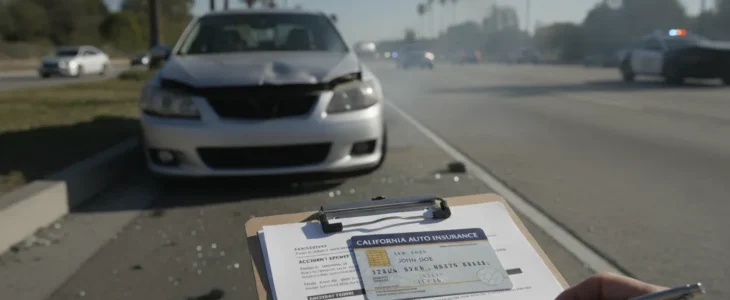
You’ve probably heard friends from other states talk about “PIP” coverage after a car accident. But if you’re a driver in California, our system works differently. So, what does PIP mean when you live in an “at-fault” state? Understanding the true PIP insurance meaning is critical to protecting your rights. We’ll explain exactly what PIP insurance is, how it works, and why knowing the difference can impact the compensation you receive for your injuries and other losses.
What Does “PIP” Stand For? Unpacking the Acronym
The acronym “PIP” can show up in very different parts of your life, from your car insurance policy to a meeting at work. Since context is everything, it’s crucial to know which “PIP” you’re dealing with. In the world of personal injury law, it almost always refers to a specific type of insurance. Still, understanding the other meanings can clear up any confusion and help you focus on what’s important for your situation, especially after an accident.
Personal Injury Protection (PIP) Insurance
In the insurance industry, PIP stands for Personal Injury Protection. This is a form of “no-fault” coverage that helps pay for your medical bills and lost wages after a car accident, no matter who caused it. Some states require drivers to carry PIP to make sure injured people get medical care quickly, without waiting for a long investigation to determine fault. However, it’s vital to know that California is an “at-fault” state, not a “no-fault” one. This means PIP insurance is not required here, and the system for getting compensation works very differently.
If you’ve been hurt in a car crash in California, the driver who caused the accident is legally responsible for your damages. While some drivers in our state choose to buy Medical Payments (MedPay) coverage, which acts similarly to PIP by covering medical costs regardless of fault, it’s an optional add-on and not the same thing. The standard process here involves filing a claim against the at-fault driver’s insurance to recover costs for your medical treatment, lost income, and pain and suffering. This is a critical distinction for anyone involved in a collision on California roads.
Performance Improvement Plan (PIP)
Outside of insurance, you might encounter the term “PIP” in a professional environment. Here, it stands for a Performance Improvement Plan. This is a formal document an employer uses to help an employee whose work isn’t meeting expectations. According to the experts at HR Acuity, a PIP clearly outlines specific areas needing improvement, sets achievable goals, and establishes a timeline for the employee to show progress. It’s a structured tool for managing performance and has absolutely no connection to personal injury claims or auto insurance. If you see this acronym in a memo from your manager, it’s about your job, not your car.
Personal Independence Payment (PIP)
Another version of “PIP” comes from the United Kingdom’s benefits system, which can create confusion for people searching online. In the UK, PIP stands for Personal Independence Payment. The charity Turn2us explains that this is a government payment for individuals who need help with daily living or getting around because of a long-term disability. It’s a key social support program in the UK, but it is not available in the United States and is completely unrelated to the insurance coverage that protects drivers after an accident.
Other Common Meanings of “Pip”
Finally, the word “pip” itself has several other meanings that can add to the mix-up. The Merriam-Webster dictionary notes that a “pip” can be a small seed in a fruit like an apple, a spot on a playing card, or a single beep from an electronic device. In British slang, having “the pip” can mean you’re feeling annoyed or slightly unwell. While these definitions are far from legal or insurance matters, they highlight how easily a simple three-letter word can be misunderstood without the right context. When you’re dealing with the aftermath of an accident, knowing the correct terminology is the first step toward understanding your rights and options.
So, What Exactly is PIP Insurance?
So, what does PIP mean in the context of auto insurance? Personal injury protection is a form of coverage that pays for medical expenses and, in some cases, lost wages and other damages, regardless of who is at fault in an auto accident. Available in 17 states and Washington, D.C., PIP is mandatory in the following 12 states:
| Florida | Minnesota |
| Hawaii | New Jersey |
| Kansas | New York |
| Kentucky | North Dakota |
| Massachusetts | Pennsylvania |
| Michigan | Utah |
What does PIP mean for drivers across the United States? While it’s a requirement in 12 states, its necessity varies. Drivers should check local regulations to understand whether PIP insurance is mandatory or optional in their state. Regardless, considering PIP coverage can be a wise decision for added financial protection in the event of an auto accident.
What Medical Bills Does PIP Actually Cover?
What does PIP mean for your coverage? PIP insurance is designed to ensure that, following a car crash, the financial burden of medical expenses does not fall squarely on the shoulders of the injured. This insurance may cover:
- Medical Bills
- Lost Wages
- Funeral Costs
Additionally, PIP can cover costs associated with services you can no longer perform due to your injuries, like house cleaning or child care. It’s important to note coverage can vary based on your state’s regulations and the specific details of your policy, including any deductibles that may apply.
Is PIP the Same as No-Fault Insurance?
When discussing PIP, it’s crucial to understand its relationship with no-fault insurance. PIP is sometimes synonymous with no-fault insurance because it allows medical expenses to be covered without the need to establish fault in an accident. This arrangement is particularly relevant in no-fault states, where drivers must carry a minimum amount of PIP coverage to streamline the claims process and reduce the need for litigation over minor injuries.
Do You Really Need Personal Injury Protection in California?
What does PIP mean for you and your loved ones? Including PIP in your auto insurance policy can provide peace of mind, knowing that you and your passengers are covered for medical expenses and more, irrespective of who caused the accident. When deciding whether to opt for PIP coverage, consider your overall insurance coverage, health insurance, the frequency of passengers in your vehicle, and your personal risk tolerance.
How Our Attorneys Handle Your PIP Claim
Understanding what does PIP mean is just the beginning. Our team specializes in personal injury cases, leveraging deep knowledge of insurance law to advocate on your behalf. With Deldar Legal, you’re not just another case number. We offer free consultations or case evaluations, providing personalized advice and representation tailored to your situation.
The complexities of insurance claims can be overwhelming, but you don’t have to do it alone. Contact Deldar Legal at (844)335-3271 to learn how we can support you through this challenging time. Our commitment is to secure your rights and help you confidently navigate the claims process, ensuring you can focus on your recovery and well-being.
Frequently Asked Questions
Since California doesn’t require PIP, how are my immediate medical bills paid after a crash? This is a critical and stressful question we hear all the time. In California, the at-fault driver is ultimately responsible for your medical costs. However, you don’t have to wait for a settlement to get care. Initially, you can use your own health insurance or optional MedPay coverage if you have it. Our role at Deldar Legal is to manage this entire process for you. We coordinate with your medical providers and handle the insurance companies so you can focus on healing, knowing that we are aggressively pursuing the full compensation you deserve from the responsible party.
Is MedPay insurance a good substitute for PIP in California? While Medical Payments (MedPay) coverage is similar to PIP because it covers medical expenses regardless of fault, it’s not a direct substitute. MedPay typically only covers medical and funeral costs up to your policy limit and does not include coverage for lost wages or replacement services. It can be a helpful tool for immediate expenses, but it doesn’t provide the broader protection that PIP offers in other states. We can review your policy to see how MedPay fits into your overall recovery strategy.
What does being an “at-fault” state really mean for my accident claim? It means that to recover damages for your injuries, medical bills, and lost income, we must legally prove that the other party was negligent and caused the accident. This is a much different process than in a “no-fault” state where you would first turn to your own PIP insurance. The at-fault system makes having strong legal representation essential. Our team excels at gathering evidence, establishing liability, and fighting insurance companies that try to unfairly shift blame or undervalue your claim.
If PIP isn’t an option, how do I recover payment for my lost wages? In California, compensation for lost wages is a key part of the personal injury claim we file against the at-fault driver’s insurance. We meticulously document the income you’ve lost due to being unable to work, including salary, overtime, and any other benefits. This amount is included in our total demand for damages. Unlike PIP, which has set limits, we fight to recover the full extent of your financial losses so your family doesn’t suffer because of someone else’s mistake.
What happens if the at-fault driver’s insurance isn’t enough to cover all my expenses? This is a serious concern, especially in cases involving catastrophic injuries. If the at-fault driver is underinsured, we explore every other possible avenue for compensation. This can include filing a claim against your own Underinsured Motorist (UIM) coverage, identifying other responsible parties (like an employer or a vehicle manufacturer), or investigating the driver’s personal assets. With over $500 million recovered for our clients, we have extensive experience in these complex situations and are relentless in finding the resources to cover your needs.
Key Takeaways
- California is an at-fault state: Unlike places with mandatory Personal Injury Protection (PIP), California law requires you to prove the other driver was negligent to recover compensation for your medical bills, lost income, and other damages.
- PIP insurance is not standard here: While you may hear the term, PIP is a “no-fault” coverage that isn’t required in California. Your primary path to compensation is through a claim against the responsible party’s insurance, not your own policy.
- A strong legal strategy is essential: Because getting paid isn’t automatic, your recovery depends on building a solid case. Working with a personal injury attorney ensures you have an expert to prove fault and manage communications with insurance adjusters.