Share on Facebook
Share on X
Share on LinkedIn

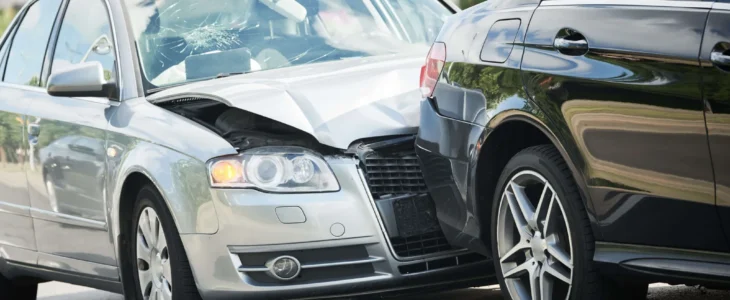
A small crunch. A dented bumper. It seems minor, right? But then the questions start. You might even be thinking, “if I was the cause of a small fender bender, so I submit the police report, will it just make things worse for me?” That hesitation is exactly what the other driver’s insurance company hopes for. They want you to skip crucial steps. As experienced California fender bender lawyers, we at Deldar Legal have seen how these “minor” incidents become major headaches. We’ll show you exactly what to do when in a fender bender to protect your rights.

Your Fender Bender Accident Checklist

Low‐impact collisions can still cause injuries and consequences. Here’s what you should keep in mind after a minor fender bender accident:

  • Hidden injuries and delayed symptoms can show up days later.
  • Insurers may attempt to undervalue your claim or shift blame.
  • You must act within California’s deadlines to protect your rights.
  • Early legal guidance can help you avoid common mistakes.

Is a Fender Bender Ever Really “Minor”?

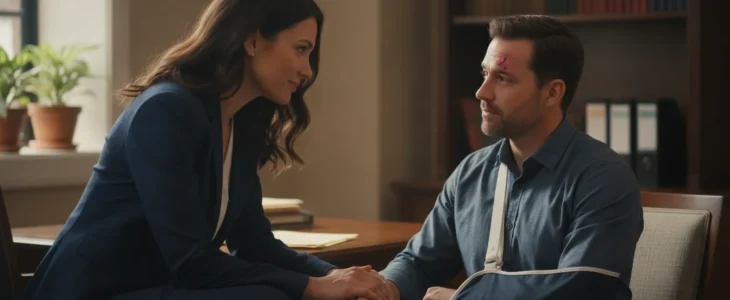
California’s roads are densely traveled, and minor collisions are extremely common. According to the California Office of Traffic Safety (OTS), thousands of injury collisions happen each year, many of which drivers initially describe as “small bump” incidents. Even low‐speed impacts can trigger neck strain, concussion, or back injury. An insurer might treat your claim as trivial, but secondary injuries develop, witness accounts vanish, and your own memory fades. That’s why we say: even a minor fender bender accident warrants serious follow‐through.

What to Do Right After a Fender Bender

Following a minor fender bender accident, your actions during the first hours and days matter a great deal. Here’s a practical checklist:

  • Get off the road and check for injuries
  • Call law enforcement so a report is created.
  • Exchange names, contact info, insurance details, and vehicle info, but avoid admitting blame.
  • Take photographs and videos of vehicle damage, angles, skid marks, road surface, traffic signs, and lighting.
  • Seek medical evaluation if there is any discomfort, even minor aches could become serious.
  • Notify your insurance and report the crash but avoid giving recorded statements without knowing your rights.
  • Document your missed work, therapy, vehicle‐rental costs, and any related out‐of-pocket expenses.
  • Don’t rush to settle, contact a personal injury attorney who will take a careful review of your accident.

Document Everything, Even with No Visible Damage

After a small bump, the urge to just exchange a few words and drive away is strong. But you should always treat a minor car accident like a more serious one. This means taking the time to document everything, even if you can’t see a single scratch on your bumper. Modern cars are designed to absorb impact, which means significant structural damage can be hidden beneath a flawless-looking exterior. Taking photos and videos of both cars, the surrounding scene, and any relevant road signs creates a crucial record. This evidence can be invaluable later if the other driver changes their story or if you discover your auto accident caused more damage than you initially thought.

Gather Witness Information

If anyone saw the collision happen, they could be your most valuable asset. Independent witnesses provide an unbiased account of events, which can be incredibly powerful if the other driver disputes what happened. Don’t be shy—politely approach anyone who stopped and ask if they would be willing to share what they saw. If they agree, get their full name and phone number. A simple note on your phone is all it takes. Their perspective can help clarify how the accident occurred and prevent the other party’s insurance company from unfairly shifting blame onto you. This simple step strengthens your position and ensures the truth is well-documented from the start.

Handling Interactions with the Other Driver

Your conversation with the other driver should be brief and factual. Exchange your name, contact details, driver’s license number, and insurance information. However, it’s critical that you do not apologize or admit any fault, as these statements can be used against you later. Some drivers may offer to pay for the damages out-of-pocket to avoid involving insurance. While this might seem like an easy solution, it’s risky. You have no way of knowing the true cost of repairs, and you forfeit your right to claim compensation for delayed injuries. It’s always safer to follow official procedures. If you’re unsure how to handle the situation, remember that a free consultation can provide clarity on your rights.

Recognizing Red Flags

Pay close attention to the other driver’s behavior. If they seem overly eager to avoid calling the police or exchanging insurance information, it’s a major red flag. A driver being “uncomfortable with police,” for example, could indicate they have no license, no insurance, or something else to hide. Be wary of anyone who tries to pressure you into a “handshake deal” or makes you feel guilty for wanting to file an official report. These actions often signal that the person is trying to evade responsibility. Trust your instincts. If something feels off, it probably is, and it’s even more reason to document everything and stick to the proper protocol.

How Do You Prove Who Was at Fault?

Even though the damage may look minimal in a minor fender bender accident, liability still matters and so does proving your losses. California is an at‐fault state, meaning the driver who caused the crash is responsible for the damages. Good evidence helps your case:

  • Photos and video from the crash scene, including damage, road conditions, and skid marks.
  • The police or CHP report.
  • Medical records and billing.
  • Repair estimates and receipts.
  • Documentation of lost wages from missed work, or interrupted life events.

Even for what looks like a slight bump, evidence makes a difference. A lawyer can help collect surveillance footage, interview witnesses, and arrange accident reconstruction specialists if needed.

The Role of a Police Report in Determining Fault

After a minor fender bender, you might be tempted to just exchange information and leave, especially if the other driver seems cooperative. However, calling the police to file a report is one of the most important steps you can take to protect yourself. This report serves as an official, unbiased account of the incident, documenting the scene, the vehicles involved, and any statements made at the time. This can be incredibly helpful later, especially if the other driver tries to change their story or their insurance company attempts to shift the blame. For any auto accident claim, having that official record provides a solid foundation and helps prove exactly what happened.

Is a Police Report the Final Word in Court?

It’s a common misconception that whatever the police officer writes in the report is the final word on who is at fault. While a police report is a powerful piece of evidence, it does not legally determine liability in court. Ultimately, a judge or jury makes that decision if your case goes to trial. The report reflects the officer’s observations and, in some cases, their opinion of what occurred, but it’s just one part of the puzzle. Insurance companies, however, often rely heavily on these reports when making their initial decisions about a claim. If you believe the police report is inaccurate or unfairly places you at fault, it’s not the end of the road. An experienced attorney can help gather other evidence to present a full and accurate picture of the accident.

Should You Submit a Police Report for a Fender Bender?

Many drivers decide not to call the police after a minor fender bender accident. This choice causes problems later. A police report gives you an official record of what happened and it shows you took the situation seriously. Most importantly, it helps prove the facts if the other driver changes their story or denies fault.

Insurance companies rely on police reports when deciding who caused the crash. Without one, they may question your version of events or delay your claim. A police officer can also note weather conditions, traffic flow, and any visible injuries. These details can strengthen your case later. Before leaving the scene of the accident, ask for the report number. This critical detail can make a big difference in proving what really happened during your minor fender bender accident.

When You Are Legally Required to Call the Police

While it might feel like an overreaction for a small dent, calling 911 is sometimes required by law. In California, you must contact the police if the accident involves any injury—no matter how minor it seems—or a fatality. If you suspect the other driver is under the influence of drugs or alcohol, you should also call the police immediately. An officer’s presence ensures that an official report is created, which documents the scene and circumstances impartially. This report becomes a vital piece of evidence, especially if injuries surface later or the other party disputes the facts of the auto accident. Don’t let the other driver talk you out of it; making that call is about protecting yourself.

California’s Accident Reporting Laws

Beyond calling the police at the scene, California has specific rules for reporting collisions to the Department of Motor Vehicles (DMV). This is a separate but equally important step. The state wants a record of any significant accident, and failing to comply can lead to serious consequences, including the suspension of your driver’s license. Understanding these obligations is crucial because what you do in the days following a minor fender bender accident can have a lasting impact on your ability to recover compensation for damages and injuries. It’s not just about fixing your car; it’s about following the law to keep your options open and your driving record clean.

Reporting to the DMV: The SR-1 Form

You are legally required to report the crash to the California DMV by submitting an SR-1 form within 10 days if the collision resulted in any injuries, death, or more than $1,000 in property damage to any single person. That $1,000 threshold is lower than you might think—a modern bumper with sensors can easily cost more than that to repair. This rule applies to all drivers involved, regardless of who was at fault. Filing the SR-1 form is your responsibility, not the police officer’s or your insurance company’s. It creates an official record that you can rely on later if you need to file a claim for your losses.

Consequences of Not Reporting an Accident

Deciding to handle a fender bender “off the record” can backfire badly. Without an official report, it becomes your word against the other driver’s. If you later discover your neck is injured or your car has hidden frame damage, the other party’s insurance company can easily question whether the accident even happened as you described. They may deny your claim outright. Furthermore, if you were legally required to report the accident to the DMV and failed to do so, you could face a license suspension. What seemed like a simple, informal agreement can quickly turn into a complex problem with no easy solution, leaving you to cover all the costs yourself.

Leaving the Scene as a Hit-and-Run

Never leave the scene of an accident, even if it seems incredibly minor. Driving away without exchanging information or checking on the other person is considered a hit-and-run under California law, which is a serious crime. A misdemeanor hit-and-run involving only property damage can still result in fines and jail time. If someone was injured, it becomes a felony, carrying severe penalties including significant time in prison. It’s always better to face the situation, exchange information, and file the necessary reports. The consequences of fleeing are far worse than any inconvenience caused by a minor collision.

Filing a Report After the Fact

If you already left the scene of a minor fender bender accident without calling the police, you can still go to a local police or CHP station to file a counter report. While it won’t contain the on-scene observations of an officer, it creates a record of your account of the incident. You can still file an insurance claim without a police report, but you should expect more scrutiny from the adjuster. The insurance company will conduct its own investigation, and without an officer’s report to corroborate your story, it may be more difficult to prove fault. If you find yourself in this situation, gathering other evidence like photos, witness contacts, and repair estimates becomes even more critical.

What to Expect from Insurance After a Fender Bender

When you enter the insurance claim process after a minor fender bender accident, you’re dealing with businesses whose goal is to reduce payouts. They may:

  • Suggest your treatment isn’t necessary because the crash was minor.
  • Delay investigation to pressure you into a quick, low‐ball settlement.
  • Request a recorded statement that later is used against you.
    Legal representation helps you:
  • Communicate with adjusters and protect your rights.
  • Submit full documentation: medical, repair, wage loss.
  • Explore coverage beyond the at‐fault driver’s policy (such as your own uninsured/underinsured motorist options).
  • Negotiate a settlement that accounts for future care and long-term effects.

Your Contractual Obligation to Report the Accident

After a fender bender, you might be tempted to handle things informally to avoid a premium increase. However, your auto insurance policy is a contract, and it almost certainly includes a clause requiring you to report any accident, no matter how small. Failing to notify your insurer can have serious consequences. If the other driver later decides to file a claim for injuries or if your vehicle’s “minor” damage turns out to be a major issue, your insurance company could deny coverage because you didn’t report the incident in a timely manner. Reporting the accident fulfills your contractual duty and creates a record, protecting you from future surprises and ensuring your policy can support you when you need it.

Understanding Your Deductible and When to File

Deciding whether to file a claim often comes down to your deductible—the amount you pay out-of-pocket before your insurance coverage begins. A common rule of thumb is to file a claim if the repair costs exceed your deductible. For example, if your deductible is $500 and the repair estimate is $2,000, filing makes financial sense. However, it’s wise to get a professional estimate before making a final decision, as the true cost of repairs isn’t always obvious at the scene. What looks like a simple bumper scuff could be hiding damage to sensors, cameras, or the frame underneath, quickly pushing the cost far above your deductible and making an insurance claim necessary.

Using Your Own Coverage like MedPay

Even if the other driver was clearly at fault, their insurance company isn’t going to pay your medical bills as they come in. This is where your own policy’s Medical Payments coverage, or MedPay, becomes incredibly valuable. MedPay is a no-fault benefit that covers initial medical expenses for you and your passengers, regardless of who caused the crash. Using it allows you to get immediate treatment for any aches, pains, or potential brain injuries without waiting for the liability dispute to be resolved. Your personal injury attorney can then work to seek reimbursement for those costs from the at-fault party’s insurance as part of your final settlement, so you aren’t left paying for care you needed because of someone else’s mistake.

Communicating with the At-Fault Driver’s Insurer

Shortly after the accident, you will likely receive a call from the other driver’s insurance adjuster. It is critical to understand that you are not required to speak with them. Their job is to protect their company’s bottom line, and they are trained to ask questions designed to get you to say something that minimizes their driver’s fault or your injuries. The best course of action is to politely decline to give a statement and refer them to your attorney. An experienced lawyer can handle all communications, ensuring your rights are protected and that you don’t inadvertently weaken your own claim. If you’re unsure how to respond, contact an attorney first to get guidance before you say anything that could be used against you.

Can You File a Claim Without a Police Report?

Yes, you can absolutely file an insurance claim and pursue compensation for damages and injuries even if you don’t have a police report. While a report is an incredibly helpful piece of official documentation, its absence does not automatically prevent you from recovering your losses. In this situation, your claim will rely more heavily on other forms of evidence. This includes photographs and videos from the scene, statements from any witnesses, and detailed medical records. Building a strong auto accident claim without a police report requires careful and thorough evidence collection, a process a skilled personal injury lawyer is equipped to manage on your behalf to present the clearest picture of what happened and who is responsible.

How Long Do You Have to File a Claim in California?

California law gives injury victims limited windows to act after a minor fender bender accident:

  • For personal injury claims, generally two years from the crash date.
  • For vehicle and property damage claims, typically three years.
  • If a government agency (city, county, state) is involved, you may need to file a government claim within six months.

Missing these deadlines can eliminate your right to compensation entirely. That makes early documentation essential. A lawyer can help preserve evidence and make sure you meet filing requirements, even if you think it seems like a minor or low stakes accident.

Minor Fender Bender Accident FAQs

1.) Do I always need a lawyer after a minor fender bender accident?

No, you don’t always need a lawyer, but it’s a good idea. If fault is clear, no injuries occur, and the insurer treats the case fairly, you might be able to handle it yourself. But when injury symptoms are present (even mild), fault is unclear, or the other driver’s coverage is weak, seeking legal help is wise.

2.) What qualifies as a minor fender bender accident, and can I still seek compensation?

A minor fender bender accident typically involves low‐speed impact, superficial vehicle damage, and the drivers appear unhurt. Think about a rear-end accident as an example. These crashes can lead to hidden injuries like whiplash, soft‐tissue trauma, or brain injuries. You still may be entitled to compensation for medical care, lost income, or pain and suffering.

3.) Will hiring a lawyer increase my insurance premiums?

Simply hiring a lawyer does not automatically raise your insurance rates. Premium increases depend on fault findings, your driving history, and your insurer’s policies, not on representation. A lawyer’s job is to protect your interests.

4.) Is it better to settle a minor fender bender accident quickly?

Quick settlements are common with minor fender bender accidents, but every situation is different. Time can’t be your top priority. The main goal is to receive maximum compensation so you’re not short-changing yourself.

5.) What if the other driver doesn’t have insurance?

If the at‐fault driver has low-limit insurance or none at all, your policy may offer uninsured/underinsured motorist (UM/UIM) protection. Outside of UM/IUM coverage, your car accident lawyer will know other avenues to pursue for compensation.

Speak With Our California Fender-Bender Lawyers

At Deldar Legal, we’re more than just attorneys, we’re your partners in recovery. If you’ve suffered an injury due to someone else’s negligence, you deserve a top-rated car accident lawyer in California who will fight for your rights and help you rebuild your life. From the moment you contact us, we handle everything, from medical appointments and transportation to insurance negotiations and legal paperwork, so you can focus on healing.

Our experienced team represents clients across a wide range of personal injury cases, including:

  • Car, truck, and motorcycle accidents
  • Uber and Lyft rideshare accidents
  • Pedestrian and bicycle accidents
  • Slip-and-fall and premises liability claims
  • Dog bites and animal attacks
  • Traumatic brain injuries, spinal cord damage, and other catastrophic injuries
  • Wrongful death of a loved one

Deldar Legal is here to help. We offer free consultations and work on a no win, no fee basis, so there’s no risk in reaching out.

Call us today at (844) 335-3271 or contact us to speak with an experienced California injury lawyer. Let Deldar Legal fight for the justice and compensation you deserve.

Key Takeaways

  • A minor fender bender accident can still cause serious injuries and complications, so be cautious.
  • File a police report to establish an official record; it helps validate your claim later.
  • Gather evidence like photos, medical records, and repair estimates to support your case.
  • California has strict deadlines for filing claims; act quickly to protect your rights.
  • Legal guidance is crucial to navigate insurance negotiations and avoid common pitfalls.

Related Articles