

Table of contents
- Key Takeaways
- Ladder Accidents on Someone’s Property: Who’s Responsible?
- When is a Property Owner Liable for a Ladder Fall?
- What Factors Determine Liability in a Ladder Accident?
- What Defenses Will the Property Owner Use?
- Common Myths About Ladder Accident Liability
- How to Prove the Property Owner Was Negligent
- What Are the First Steps to Take After a Ladder Fall?
- How Does California Law Apply to Ladder Accident Claims?
- What Compensation Can You Recover After a Ladder Fall?
- Protect Your Rights After a Ladder Accident
- Related Articles
- Frequently Asked Questions
After a fall on someone else’s property, you’ll quickly discover you’re not just dealing with the owner; you’re dealing with their insurance company. Their primary goal is to protect their bottom line by paying as little as possible. They will scrutinize every detail to avoid answering the question, “if someone falls off a ladder on your property are you liable?” in your favor.
Their adjusters are trained to shift blame, often suggesting you were careless or clumsy. You need an advocate who knows these tactics and will fight back aggressively. At Deldar Legal, we have a long history of standing up to insurance companies, and our $500 million in case wins shows our commitment to getting our clients the justice they deserve.
Key Takeaways
- Liability Hinges on the Property Owner’s Negligence:
In California, a property owner is responsible for your fall if they failed to keep their property reasonably safe. This includes everything from providing a faulty ladder to not warning you about an unstable surface. Proving this failure is the key to holding them accountable for your medical bills and other losses. - Protect Your Claim from the Start:
Your first moves after an accident are crucial. Get immediate medical help to officially link your injuries to the fall, and use your phone to photograph the scene—the ladder, the hazard, and your injuries—before any evidence can be removed or altered. - Expect a Fight and Know Your Deadlines:
The owner’s insurance company will try to blame you to reduce their payout, a common tactic in California. You also have a strict two-year deadline to file a lawsuit, so consulting with an attorney promptly is the best way to counter these strategies and protect your right to full compensation.
Ladder Accidents on Someone’s Property: Who’s Responsible?
A fall from a ladder is sudden and terrifying. One moment you’re focused on the task at hand, and the next, you’re on the ground, dealing with intense pain and the disorienting shock of what just happened.
As medical bills start to pile up and you’re forced to miss work, a critical question emerges: Who is responsible for this? If your fall happened on someone else’s property, the answer often lies in a legal principle called premises liability. This means property owners have a legal duty to keep their environment reasonably safe for visitors.
However, determining fault isn’t always simple. Was the ladder itself defective? Was the ground uneven? Did the property owner fail to warn you about a hidden danger? Liability could rest with the property owner, a contractor, or even the ladder’s manufacturer. Understanding your rights requires a close look at the specific circumstances of your accident.
At Deldar Legal, we’ve helped clients recover over $500 million by meticulously investigating these details to hold the right parties accountable. We know you’re focused on healing, and our job is to handle the legal complexities so you can do just that.
When is a Property Owner Liable for a Ladder Fall?
A property owner’s liability hinges on whether they breached their “duty of care.” In California, this means they must act reasonably to maintain their property, repair potential hazards, or provide adequate warning of dangers that aren’t obvious.
To build a successful claim, we must show that the owner knew or should have known about the unsafe condition that caused your fall. For example, they knew the ladder had a broken rung or should have discovered a loose floorboard during routine upkeep.
While your reason for being on the property matters, California law focuses on whether the owner’s actions were reasonable, regardless of whether you were a social guest or a hired contractor.
What Factors Determine Liability in a Ladder Accident?
Several factors can point to a property owner’s negligence. Poor property maintenance is a common cause; a fall can be triggered by uneven ground, a slippery floor, or debris left in a walkway. If the owner provided the ladder, its condition is critical. We investigate whether it was a defective ladder or set up improperly for the task.
A ladder that is too short, placed at an unsafe angle, or has known defects can create a recipe for disaster. We also examine the unsafe surroundings and poor lighting. A dimly lit work area or cluttered environment can easily lead to a misstep, making the property owner directly responsible for the resulting injuries.
What Defenses Will the Property Owner Use?
When you file a claim, expect the property owner and their insurance company to push back. A common tactic is the “obvious danger” defense, where they argue the hazard was so apparent that you should have avoided it.
They will also likely try to shift the blame by arguing you were partially at fault. Under California’s comparative negligence rule, they may claim you were careless or used the ladder improperly to reduce the compensation they owe you.
Finally, they might try blaming a third party, such as the ladder manufacturer or another contractor, to deflect their own responsibility for maintaining a safe environment.
Common Myths About Ladder Accident Liability
Many people have misconceptions that prevent them from seeking the compensation they deserve. One is the myth that a “warning sign” means you can’t file a claim. A sign doesn’t automatically clear a property owner of all responsibility, especially if the warning was inadequate or the hazard should have been fixed. Another common belief is that the owner’s insurance will automatically cover you.
In reality, insurance adjusters work for the insurance company, and their goal is to minimize payouts, not to help you. Finally, don’t believe that an injury on their property isn’t their fault. Property owners have a legal duty, and many accidents are the direct result of preventable negligence.
How to Prove the Property Owner Was Negligent
Proving negligence is the core of any personal injury claim. We investigate for evidence of a lack of proper ladder inspection and maintenance, especially if the owner supplied the equipment. We also look for a failure to provide safety instructions or warnings about known hazards, like a recently mopped floor or a wobbly railing near the work area.
Most importantly, we work to uncover proof that the owner was ignoring unsafe property conditions. Evidence like prior complaints, ignored repair requests, or a history of similar incidents can powerfully demonstrate that the owner knew about a danger but chose to do nothing about it.
What Are the First Steps to Take After a Ladder Fall?
Your actions immediately after a fall are critical for both your health and your potential legal claim. First and foremost, get medical help immediately. Even if you feel okay, some serious injuries, like internal bleeding or concussions, may not have immediate symptoms. Medical records create an official link between the accident and your injuries. Next, if you are able, document the scene and your injuries.
Use your phone to take pictures and videos of the ladder, the surrounding area, and what caused you to fall. Get contact information from any witnesses. Finally, report the incident to the property owner, but be careful with your words. State the facts without admitting fault or downplaying your injuries.
How Does California Law Apply to Ladder Accident Claims?
California law has specific rules that shape how these cases proceed. The most important is the “comparative fault” rule. This means that even if you are found partially responsible for the accident, you can still recover damages.
However, your final compensation will be reduced by your percentage of fault. You also need to be aware of the deadline to file your claim, known as the statute of limitations, which is generally two years for personal injury cases in California.
Missing this deadline can prevent you from ever recovering compensation. The entire case will be judged on California’s liability standard, which requires property owners to use “reasonable care” to prevent harm.
What Compensation Can You Recover After a Ladder Fall?
A serious fall can lead to devastating financial and personal losses. Our goal is to secure compensation that covers the full extent of your damages.
This includes all current and future medical expenses, from the ambulance ride and hospital stay to ongoing physical therapy and future surgeries. It also covers lost wages and diminished earning capacity if your injuries prevent you from returning to your job or force you into a lower-paying role.
Finally, we fight for compensation for your pain, suffering, and emotional distress—the immense human cost of a traumatic injury. Our track record of securing significant case wins shows our commitment to getting clients the resources they need to rebuild their lives.
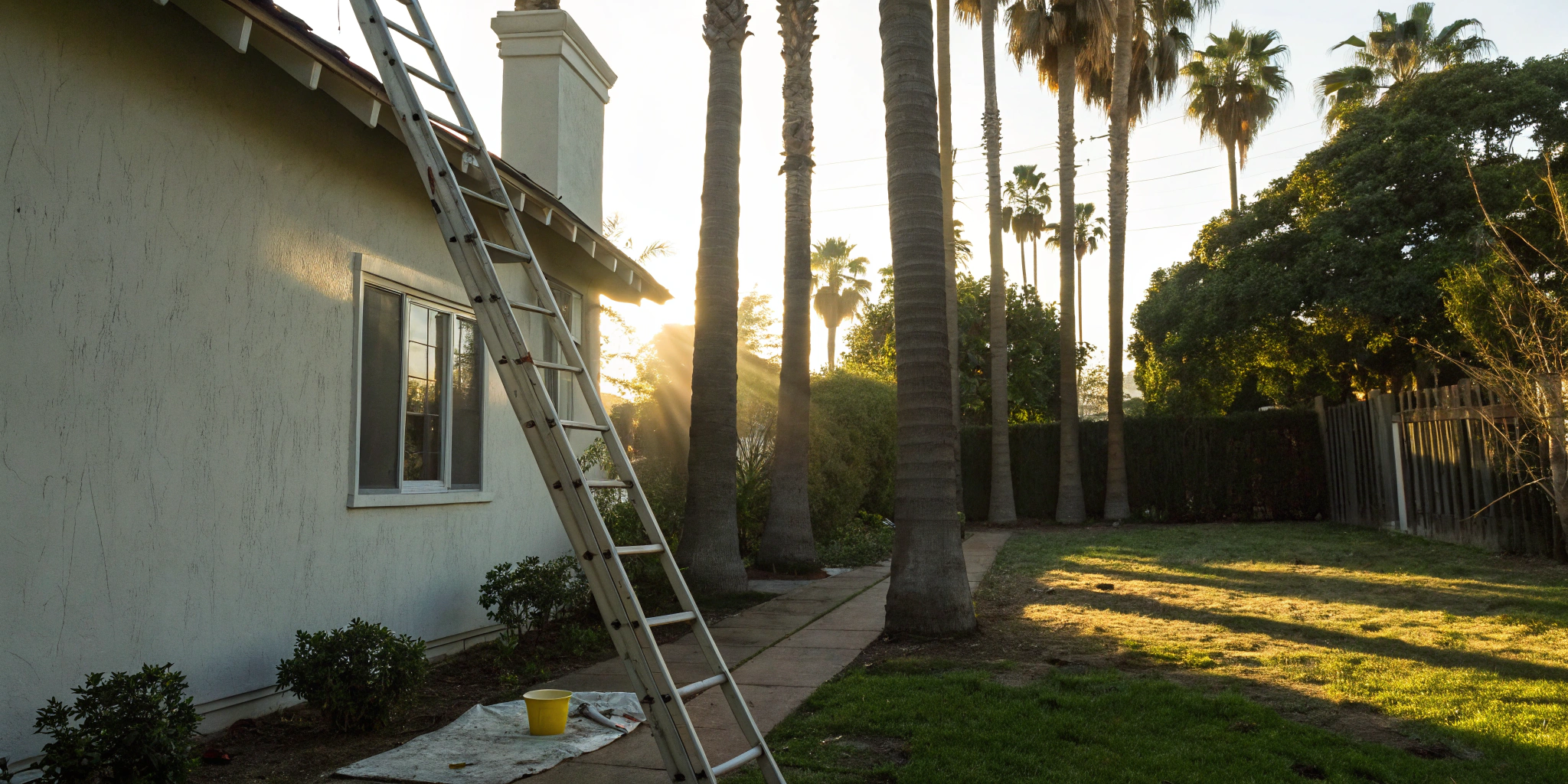
When is a Property Owner Liable for a Ladder Fall?
After a serious fall from a ladder, you’re left dealing with intense pain, mounting medical bills, and a lot of uncertainty. The last thing you want to do is try to decipher complex legal rules.
But understanding when a property owner is legally responsible is the first step toward getting the compensation you need to recover. In California, this area of law is called premises liability, and it all comes down to one key question: Was the property owner negligent?
It’s not enough that you fell on their property. To hold them accountable, you must prove they failed to meet their legal responsibility to keep you safe. This involves showing they knew, or should have known, about a dangerous condition and did nothing to fix it or warn you about it. These cases are rarely straightforward, as property owners and their insurance companies will often try to shift the blame.
At Deldar Legal, our attorneys have successfully navigated these exact challenges, recovering over $500 million for clients who were injured because of someone else’s carelessness. We handle the legal fight so you can focus on healing.
Defining the Owner’s “Duty of Care”
Every property owner in California has a legal “duty of care,” which is a responsibility to maintain their property in a reasonably safe condition for visitors. This isn’t just about fixing a broken step or cleaning up a spill; it also applies to equipment they provide, including ladders.
If a homeowner asks you to help clean their gutters and gives you a rickety, unstable ladder, they are likely breaching this duty. The law expects them to take reasonable steps to prevent foreseeable harm. Proving that this duty was breached is the foundation of any successful personal injury claim.
Proving the Owner Knew About the Danger
A critical piece of your claim is proving the property owner had “notice” of the hazard that caused your fall. This means you must show they either knew about the dangerous condition (like a broken ladder rung) or that they should have known about it through reasonable inspection and maintenance.
For example, if a ladder was stored outside in the rain for years, causing the wood to rot, a reasonable owner should have recognized it was unsafe for use. An owner can’t simply claim ignorance to avoid responsibility. Our job is to investigate the circumstances and gather the evidence needed to establish that the owner was aware of the risk.
How Your Visitor Status Affects Your Claim
The law traditionally classifies visitors as invitees (like a customer in a store), licensees (a social guest), or trespassers. While California law has moved toward a more general standard of “reasonableness,” your reason for being on the property still matters.
An invitee, such as a contractor hired to perform work, is owed the highest duty of care. The property owner must actively inspect the premises for dangers and either repair them or provide adequate warning. A fall from a ladder can easily lead to catastrophic injuries, and the level of care owed to you can significantly impact the strength of your case.
What Factors Determine Liability in a Ladder Accident?
After a serious fall, it’s easy to assume the property owner is automatically responsible, but it’s not that simple. To hold them liable, we have to prove they were negligent—meaning they failed to act with reasonable care, and that failure led directly to your injuries.
In California, liability in a ladder accident case hinges on specific factors that show the owner knew, or should have known, about a dangerous condition but did nothing to fix it. Our job is to uncover the evidence that proves this failure. We dig into the details of property maintenance, the equipment provided, and the surrounding environment to build a case that leaves no room for doubt.
Poor Property Maintenance and Neglect
Property owners in California have a legal duty to keep their premises in a reasonably safe condition for visitors. This is the core of every premises liability claim. When it comes to a ladder fall, this duty is critical. If the ladder was placed on a rotted deck board, a loose step, or a floor that was known to be unstable, the owner can be held responsible.
The key is proving the owner was aware of the hazard—or that a reasonable owner would have discovered it through regular upkeep—and failed to repair it or warn you about it. We investigate maintenance records and property history to establish this pattern of neglect.
Defective Ladders or Improper Setup
Did the property owner provide the ladder you used? If so, their responsibility for your safety increases significantly. Handing you a ladder that is old, broken, or otherwise unsafe is a clear act of negligence. We’ve handled cases where clients were given ladders with cracked rungs or faulty locking mechanisms, leading to devastating falls.
Liability also arises if an owner or their employee sets up the ladder for you incorrectly. Placing it on an uneven surface, at an unsafe angle, or without ensuring it’s stable can make them directly responsible for what happens next. These falls often result in catastrophic injuries, and we fight to hold the owner accountable for their carelessness.
Unsafe Surroundings and Poor Lighting
Sometimes, the ladder itself is fine, but the environment where you have to use it is the problem. A property owner’s duty of care extends to the area around the ladder. Were you forced to set up in a poorly lit hallway where you couldn’t see a hazard on the floor? Was the ground muddy, cluttered with debris, or slippery from a recent spill?
These conditions make any ladder use dangerous, and an owner who fails to address them can be found negligent. Similar to trip and fall accidents, proving liability requires showing the owner created the unsafe environment or ignored it. We document the scene to capture these critical details before they can be cleaned up or changed.
What Defenses Will the Property Owner Use?
After you’ve been injured, it’s natural to assume the property owner will do the right thing. Unfortunately, that’s rarely how it works.
The owner and their insurance company have a team of lawyers ready to protect their bottom line, and their main goal is to pay you as little as possible—or nothing at all. They will come prepared with legal arguments designed to shift the blame away from them and onto you, the ladder manufacturer, or anyone else they can find.
At Deldar Legal, we’ve successfully recovered over $500 million for our clients because we anticipate these tactics. We’ve seen every defense imaginable and have developed powerful strategies to dismantle them, one by one.
Understanding what the other side might argue is the first step in building a strong case. They will try to muddy the waters and confuse the facts, but we know how to keep the focus on what truly matters: their negligence and your right to compensation.
The “Obvious Danger” Defense
One of the most common arguments a property owner will make is that the hazard was “open and obvious.” They will claim that any reasonable person would have seen the danger and avoided it. For example, they might argue that the ladder was visibly rickety or placed on an obviously unstable surface, and that you should have known better than to use it.
This defense tries to make the accident your fault for failing to protect yourself. However, what seems “obvious” in hindsight is rarely so clear in the moment. We challenge this defense by investigating the full context of the situation.
Was there a safer alternative available? Did the owner’s instructions or actions lead you to believe the ladder was safe? We work to show that the owner created an unnecessarily dangerous condition, leaving you with little choice but to face the risk.
Arguing You Were Partially at Fault (Comparative Negligence)
The defense will look for any reason to assign you a portion of the blame. This strategy is based on California’s “pure comparative fault” rule. Under this rule, you can still recover compensation even if you were partially responsible, but your final award will be reduced by your percentage of fault. So, if you are found to be 20% at fault for the fall, your compensation will be cut by 20%.
Insurance adjusters will scrutinize your every action. Were you wearing the right shoes? Were you carrying something? Did you overreach? They will use anything they can find to argue you contributed to your own injuries.
Our job is to fight back against these claims by presenting clear evidence of the property owner’s primary negligence in their premises liability case, ensuring the blame is placed exactly where it belongs.
Blaming a Third Party for the Accident
If the owner can’t successfully blame you, they will try to blame someone else. This defense involves pointing the finger at a third party, such as the ladder’s manufacturer for a design defect, a contractor who set it up improperly, or even another person on the property who may have moved it. They will argue that they had no control over the third party’s actions and therefore shouldn’t be held responsible for your fall.
While this may seem like a roadblock, our experienced attorneys see it as an opportunity. A thorough investigation may reveal that multiple parties are, in fact, liable for your injuries. By identifying every person or company that contributed to the accident, we can open up additional sources of compensation to ensure all of your damages are covered. We leave no stone unturned in our pursuit of justice for you.
Common Myths About Ladder Accident Liability
After a serious fall, the last thing you need is bad advice. Misinformation about personal injury claims is everywhere, and it can stop you from getting the compensation you deserve for your medical bills, lost income, and pain.
Property owners and their insurance companies often rely on these myths to avoid taking responsibility. It’s time to set the record straight. We’ve seen every excuse in the book while recovering over $500 million for our clients, and we know how to dismantle these arguments to protect your rights.
Myth: A “Warning Sign” Means You Can’t File a Claim
Many people believe that a “Wet Floor” or “Use at Your Own Risk” sign is a complete shield against liability. This is simply not true. In California, a property owner’s duty to keep you safe doesn’t disappear just because they put up a sign.
A warning must be clear, visible, and adequate for the specific danger. If the sign was hidden, unclear, or if the hazard was so severe that a sign wasn’t enough to prevent harm, the owner can still be held responsible. Don’t let a simple sign discourage you from exploring your premises liability claim.
Myth: The Owner’s Insurance Will Automatically Cover You
It’s a common assumption that if a homeowner has insurance, their policy will automatically cover your injuries. Unfortunately, it’s not that simple. Insurance companies are for-profit businesses focused on protecting their bottom line, which means paying out as little as possible. They will investigate the claim and look for any reason to deny it or argue you were at fault.
Securing fair compensation almost always requires aggressive negotiation and the willingness to fight for what you are owed. Our case results show our commitment to holding insurers accountable.
Myth: An Injury on Their Property Isn’t Their Fault
Property owners may try to dismiss a ladder fall as a clumsy mistake or a freak accident that wasn’t their fault. However, the law sees it differently. Owners have a legal obligation to maintain their property in a reasonably safe condition.
This includes securing ladders properly, warning guests about unstable ground, or repairing a broken rung they knew about. If they knew, or should have known, about a dangerous condition and did nothing to fix it or warn you, they can be held liable for the catastrophic injuries that result.
How to Prove the Property Owner Was Negligent
After a serious fall, the idea of proving someone else was at fault can feel overwhelming. You’re focused on your recovery, dealing with medical bills, and trying to piece your life back together. But holding a negligent property owner accountable is a critical step toward securing the resources you need to heal.
Proving negligence isn’t about assigning blame; it’s about methodically demonstrating that the owner failed to meet their legal responsibility to keep their property reasonably safe. This failure is the core of any premises liability claim.
At Deldar Legal, our attorneys have spent years investigating these exact scenarios across California. We know what evidence to look for and how to build a case that clearly shows how an owner’s carelessness led directly to your injuries. We handle the entire investigation, from gathering evidence at the scene to consulting with safety experts, so you can focus on what matters most: your health.
Our approach is built on a deep understanding of California law and a track record of recovering over $500 million for clients who were hurt because someone else dropped the ball. We focus on three key areas to establish negligence.
Lack of Proper Ladder Inspection and Maintenance
A property owner can’t simply provide a ladder and assume it’s safe for use. They have a duty to ensure their equipment is in good working order. This means regular inspections and maintenance. If the ladder that caused your fall had a broken rung, a cracked frame, rusty hinges, or missing non-slip feet, it’s strong evidence of neglect. These aren’t minor defects; they are accidents waiting to happen.
Our investigators are trained to document this type of physical evidence, which becomes a cornerstone in proving the owner failed to maintain their property and is responsible for the catastrophic injuries that resulted from their oversight.
Failure to Provide Safety Instructions or Warnings
Sometimes, an accident happens not because a ladder is broken, but because it requires specific handling that wasn’t explained. If a ladder has a tricky locking mechanism or is known to be unstable on certain surfaces, the property owner has a responsibility to warn you about these known dangers. Simply staying silent is a form of negligence.
A reasonable property owner would provide clear instructions or verbal warnings to prevent a foreseeable accident. When they fail to do so, they fail in their duty of care. We work to establish what the owner knew about the equipment and what they failed to communicate to you before you were injured.
Ignoring Unsafe Property Conditions
Negligence often extends beyond the ladder itself to the surrounding environment. Was the ground you were told to place the ladder on uneven, wet, or cluttered with debris? Was the area so poorly lit that you couldn’t see a potential hazard? If a property owner knew, or reasonably should have known, about an unsafe condition and did nothing to fix it, they can be held liable.
This is a critical point in California law. Our job is to prove the owner was aware of the danger—or that any reasonable person would have been—and chose to ignore it. We have a long history of results showing exactly how we prove this in court.
What Are the First Steps to Take After a Ladder Fall?
The moments after a fall are disorienting and painful. It’s easy to feel overwhelmed, but the actions you take immediately can have a massive impact on both your physical recovery and your ability to secure fair compensation. Your priority is your health, but protecting your legal rights runs a close second.
Insurance companies for the property owner will look for any reason to deny your claim or argue that you were at fault. Following these steps helps build a strong foundation for your case from the very beginning. At Deldar Legal, our team has seen how these initial actions can make or break a case, helping us recover over $500 million for injured clients across California.
Get Medical Help Immediately
Your well-being is the absolute first priority. Even if you think you’re okay, call for medical help. Some serious conditions, like internal bleeding or brain injuries, don’t show immediate symptoms. Adrenaline can mask pain, making you underestimate the severity of your injuries. If you are in a dangerous position, try to move to a safer spot with as little movement as possible.
Seeking immediate medical attention not only starts your recovery but also creates an official record of your injuries and links them directly to the time and place of the fall. This medical documentation is crucial evidence that we will use to prove the extent of the harm you’ve suffered.
Document the Scene and Your Injuries
If you are physically able, start documenting everything. Use your phone to take photos and videos of the entire scene before anything is moved or cleaned up. Capture the ladder itself, its position, the ground conditions, any visible hazards, and the surrounding area. Take clear pictures of your injuries, including cuts, bruises, and any torn clothing.
Write down everything you remember: the date, time, weather conditions, and exactly what happened. If anyone witnessed the fall, get their name and contact information. Memories fade and physical evidence disappears, so preserving this information right away is essential for building a strong premises liability claim.
Report the Incident (But Choose Your Words Carefully)
You need to notify the property owner or manager about the accident as soon as possible. However, what you say is incredibly important. State the facts clearly and simply: “I fell from the ladder and I am injured.” Do not apologize, accept blame, or say anything like, “I should have been more careful.” These statements can be twisted and used against you later to argue that you were at fault.
Stick to the facts and avoid speculating about what caused the fall. Before you give a formal recorded statement to the property owner or their insurance company, it is always best to speak with an attorney. We can guide you on how to protect your rights during these conversations. You can always schedule a free consultation to discuss your case with us first.
How Does California Law Apply to Ladder Accident Claims?
When you’re injured in a fall, the last thing you want to do is try to decipher complex legal codes. But understanding how California law works is crucial to protecting your rights. The legal system here has specific rules that directly impact your ability to recover compensation after a ladder accident. These aren’t just minor details; they are the foundation of your entire claim.
Knowing these rules helps you stand up to property owners and insurance companies who might try to unfairly shift the blame or deny your claim outright. At Deldar Legal, we handle the legal complexities so you can focus on healing, backed by a team that has secured over $500 million for clients across California.
Understanding California’s “Comparative Fault” Rule
It’s a common tactic for a property owner’s insurance company to try and blame you for your own injuries. They might say you were clumsy, weren’t paying attention, or used the ladder improperly. In some states, this could completely prevent you from recovering any money. But California is different. Our state follows a “pure comparative fault” rule.
This means you can still recover damages even if you are found to be partially responsible for the accident. For example, if a jury decides you were 20% at fault for the fall, you can still collect 80% of the total compensation awarded. This rule is a powerful tool that prevents property owners from escaping all responsibility just by pointing a finger back at you.
The Deadline to File Your Claim (Statute of Limitations)
After a serious fall, time can feel like a blur of doctor’s appointments and recovery. However, there is a critical deadline you cannot miss. In California, the statute of limitations for personal injury claims is generally two years from the date of the accident. If you fail to file a lawsuit within this two-year window, you will likely lose your right to seek compensation forever.
This is not a flexible guideline; it’s a strict cutoff. Insurance companies know this and will sometimes drag out negotiations, hoping you’ll miss the deadline. That’s why it’s so important to speak with an attorney quickly to preserve your legal options and start building your case.
Key Liability Standards in California
In California, property owners aren’t just expected to be nice—they have a legal “duty of care” to keep their premises reasonably safe for visitors. This isn’t a vague suggestion; it’s a core principle of premises liability law. This duty requires them to regularly inspect their property, repair potential hazards, and warn people of any dangers that aren’t obvious.
When it comes to a ladder accident, this could mean they failed to maintain the ladder, didn’t notice it was defective, or instructed you to use it on an unstable, slippery, or cluttered surface. Proving that the owner breached this duty of care is the key to holding them accountable for the harm you’ve suffered.
What Compensation Can You Recover After a Ladder Fall?
After a serious fall, the last thing you should be worried about is how you’re going to pay your bills. The goal of a personal injury claim is to recover financial compensation, legally known as “damages,” to cover all the losses you’ve suffered because of someone else’s negligence.
This isn’t just about the immediate costs; it’s about securing your financial stability so you can focus completely on your physical and emotional healing. We look at the full picture—the medical bills flooding your mailbox, the paychecks you’re missing, and the profound personal toll the injury has taken on you and your family.
In California, the law allows you to seek compensation for a wide range of damages, both economic and non-economic. Economic damages are the tangible financial losses with a clear price tag. Non-economic damages address the intangible, but equally real, impact on your quality of life.
At Deldar Legal, we meticulously document every loss to build a powerful case that reflects the true cost of your injury. Our job is to handle the entire legal process, from investigating the accident to aggressively negotiating with insurance companies, so you can put all your energy into getting better. We operate on a ‘No Win, No Fee’ basis, meaning you pay nothing unless we win your case.
Current and Future Medical Expenses
A fall from a ladder can cause devastating harm, from broken bones and internal bleeding to life-altering brain injuries. The medical bills can start piling up from the moment the ambulance arrives. Your compensation should cover every single medical cost related to the accident.
This includes emergency room visits, surgeries, hospital stays, prescription medications, and physical therapy. We also look ahead, calculating the costs of any future medical care you might need, like ongoing rehabilitation, in-home assistance, or additional procedures. We want to ensure you never have to pay out-of-pocket for care that was made necessary by a property owner’s carelessness.
Lost Wages and Diminished Earning Capacity
Being unable to work while you recover adds a layer of intense financial stress to an already difficult situation. We fight to recover every dollar of lost income from the time you missed at your job. But what if your injuries prevent you from returning to your old job or limit your ability to earn a living in the future? This is known as “diminished earning capacity.”
We work with experts to project your future lost income and demand compensation that protects your long-term financial health. Our track record of recovering over $500 million for clients shows our commitment to securing these crucial case wins.
Pain, Suffering, and Emotional Distress
Not all injuries are visible. The physical pain, emotional trauma, and mental anguish that follow a serious accident are very real, and you deserve to be compensated for them. This category of damages covers the non-economic impact of the fall on your life—the chronic pain, the anxiety, the loss of enjoyment in activities you once loved, and the overall reduction in your quality of life.
While no amount of money can erase this suffering, it is the legal system’s way of acknowledging the profound personal toll the injury has taken. We take the time to understand your story so we can effectively communicate the full extent of your suffering.
Protect Your Rights After a Ladder Accident
The moments after a fall are often a blur of pain and confusion. You might be focused on your injuries, wondering what just happened, and feeling pressure from the property owner. It’s a stressful situation, but the steps you take right after a ladder accident are critical for both your physical recovery and your ability to secure fair compensation.
Protecting your rights starts immediately, and knowing what to do can make all the difference. We’ve handled countless premises liability cases across California, and we know how insurance companies try to shift blame. Here’s what you need to do to build a strong foundation for your claim.
Seek Immediate Medical Attention
Your health is the top priority. Even if you think your injuries are minor, get a professional medical evaluation right away. Some serious conditions, like internal bleeding or a concussion, don’t always show immediate symptoms.
Seeking prompt medical care ensures you get the treatment you need and creates an official record of your injuries. This medical documentation is crucial evidence that directly links the fall to the harm you suffered, which is essential when it’s time to file a claim for your medical expenses. Don’t wait—a delay can give the insurance company an opening to argue your injuries weren’t caused by the accident.
Document Everything at the Scene
If you are physically able, take a moment to document the scene before anything is moved or cleaned up. Use your phone to take photos and videos from multiple angles. Capture the ladder itself, its position, the ground surface, any visible defects, and the surrounding area.
If a specific hazard caused your fall—like an uneven floor, a broken rung, or poor lighting—make sure you get clear pictures of it. Also, take photos of your visible injuries. If anyone saw what happened, ask for their name and phone number. This evidence can be incredibly powerful in proving the property owner’s negligence.
Report the Incident, But Be Careful What You Say
You should notify the property owner or manager about the accident as soon as possible. However, be very careful with your words. Stick to the basic facts of what happened. Do not apologize, accept blame, or say anything that could be interpreted as admitting fault, like “I should have been more careful.”
Insurance adjusters are trained to use these kinds of statements against you to reduce or deny your claim. A simple, factual report is all that’s needed. Let the evidence speak for itself, and let your attorney handle the complex conversations about liability.
Consult with a Premises Liability Attorney
After a serious fall, the last thing you need is the stress of dealing with insurance companies and legal paperwork. This is where we come in. Speaking with an experienced personal injury attorney can help you understand your rights and options.
We can immediately take over communication with the property owner’s insurance, launch a thorough investigation, and gather the evidence needed to build your case. Our team at Deldar Legal handles everything so you can focus on healing. We offer a free consultation to discuss your accident and explain how we can help you fight for the compensation you deserve.
Related Articles
- 5 Necessary Premises Liability Elements
- Ladder Accident Attorneys
- 7 Tips To Prevent Ladder Accidents At Home
Frequently Asked Questions
Yes, the property owner could still be held responsible. Liability isn’t just about who owns the ladder; it’s about whether the property itself was in a reasonably safe condition. If the owner instructed you to place your ladder on an unsafe surface—like a rotted deck, a slippery floor, or uneven ground—their negligence in maintaining their property could be the direct cause of your fall.
In California, you generally have two years from the date of the accident to file a personal injury lawsuit. This is known as the statute of limitations. While that might seem like a long time, it’s critical to act quickly. Evidence can disappear, witnesses’ memories can fade, and a thorough investigation takes time. Missing this deadline means you could lose your right to seek compensation forever.
It’s best to be very careful. The insurance adjuster works for the property owner’s insurance company, and their goal is to pay out as little as possible. They are trained to ask questions that might get you to say something that hurts your claim.
Before you give a recorded statement or sign any documents, you should speak with an attorney who can protect your rights and handle all communications for you.
Yes, you absolutely can. This is a very common defense tactic used to discourage people from pursuing a claim. California law follows a “comparative fault” rule, which means you can still recover compensation even if you are found to be partially responsible for the accident.
Our job is to build a strong case that minimizes your portion of fault and holds the property owner accountable for their negligence.
This is one of the first things people worry about, and it’s completely understandable. We handle all personal injury cases on a ‘No Win, No Fee’ basis. This means you pay absolutely nothing upfront.
We cover all the costs of investigating and building your case, and we only get paid if we successfully recover compensation for you. Your focus should be on your health, not on how you’re going to pay for legal help.
Leave a Reply