

After a terrifying accident, it’s common to ask yourself, “Why did I just freeze?” You’re not alone, and it’s not your fault. This involuntary shutdown is a real survival instinct.

It’s a form of trauma-induced paralysis, where your brain hits pause to protect you. But can trauma cause paralysis that’s more than just a momentary freeze? Absolutely. This response, sometimes called ptsd paralysis, is a profound injury. It can happen alongside physical paralysis from the accident itself, and both are serious damages in a personal injury claim.
Can Trauma Really Cause Paralysis?
Trauma-induced paralysis results from serious injuries that harm the body’s neurological system. The spinal cord, which forms part of the central nervous system (CNS), can be damaged during traumatic incidents, leading to TIP.
The extent of the paralysis depends on the location and severity of the injury within the spinal cord. According to the National Institute of Neurological Disorders and Stroke (NINDS), injuries to the cervical region may result in quadriplegia (paralysis of all four limbs), while injuries to the thoracic or lumbar regions can lead to paraplegia (paralysis of the legs and lower body).
Understanding Physical vs. Psychological Paralysis
When we hear the word “paralysis,” our minds often jump to physical injuries, a severe impact from a car crash or a fall that damages the spinal cord. While these types of catastrophic injuries are a primary cause of physical paralysis, trauma can affect the body in another profound way.
Psychological paralysis is a complex and often misunderstood response to an overwhelmingly stressful or dangerous event. Also known as tonic immobility, this condition is an involuntary reaction where a person finds themselves unable to move or speak.
It’s not a result of nerve damage, but rather the brain’s extreme response to a perceived threat, effectively hitting a pause button on the body’s motor functions as a survival tactic.
Defining Trauma-Induced Paralysis (Tonic Immobility)
Tonic immobility is the clinical term for the body’s powerful reaction to trauma that results in a temporary, complete loss of muscle control. It’s an involuntary “freeze” response that happens in situations of extreme fear or threat. It is crucial to understand that this is not a conscious decision.
A person experiencing tonic immobility is not choosing to be still; their body is taking over as a primal defense mechanism. This can happen during any number of terrifying events, from a violent assault to a sudden and shocking accident. The experience can be incredibly disorienting and frightening, as you may be fully conscious but unable to command your own body to move or even scream for help.
An Involuntary Survival Response
Think of tonic immobility as one of the oldest survival tools we have. It’s part of the body’s instinctual defense system, similar to how some animals play dead to avoid being attacked by a predator. When faced with a danger that feels inescapable, the body can shut down motor functions to protect itself from further harm or pain.
This response is common in many traumatic situations, including severe accidents like a multi-car pile-up or a violent dog attack. The aftermath of this involuntary paralysis can be deeply distressing and is often linked to the development of post-traumatic stress disorder (PTSD) and depression, adding another layer of injury that deserves to be addressed with compassion and professional support.
How a Traumatic Event Can Lead to Paralysis
TIP commonly occurs following motor vehicle accidents, falls, violence (such as gunshot wounds), and sports-related injuries. In fact, the National Spinal Cord Injury Statistical Center (NSCISC) reports vehicular accidents account for nearly 37.6% of spinal cord injuries, followed by falls at 31.5%. However, other causes can include medical or surgical complications and diseases such as polio or spina bifida.
The Science Behind the “Freeze” Response
Beyond the physical impact of an accident, trauma can trigger a powerful and often misunderstood psychological reaction. You’ve likely heard of the “fight or flight” response, but there’s a third, equally primal reaction: freeze. This isn’t a conscious choice or a sign of weakness; it’s a deep-seated survival instinct called tonic immobility.
As described by mental health experts, this is an involuntary state where you cannot move or speak when facing an overwhelming threat. When fighting back or running away isn’t an option, your body’s defense system may shut down all movement to protect you, similar to how an animal plays dead to survive an attack.
The Brain’s Defense Cascade
This freeze response is wired directly into your brain’s biology. When you perceive extreme danger, the amygdala, your brain’s alarm system, sends an urgent signal to the hypothalamus. This can set off a cascade that, as researchers explain, disrupts the normal communication between your brain and your muscles.
The result is an involuntary paralysis where you feel completely stuck, unable to move or even scream. It’s so important to understand this process because it validates what you went through. Your body wasn’t failing you; it was doing exactly what it was programmed to do to keep you alive during a moment that felt inescapable.
Common Causes of Tonic Immobility
Tonic immobility can be triggered by any profoundly traumatic event where you feel completely powerless. While often discussed in certain contexts, it is also a common response for survivors of violent events and severe accidents.
For instance, someone involved in a catastrophic big rig truck accident or a sudden, violent fall might experience this total shutdown. The sheer force and suddenness of these incidents can leave the brain with no perceived option for fight or flight, causing it to default to this freeze state as a last-ditch effort to survive.
Distinguishing “Freezing” from Tonic Immobility
It’s also helpful to know the difference between a momentary “freeze” and the deeper state of tonic immobility. The initial freeze is that brief “deer in the headlights” pause, a moment of high alert before you decide how to act. Tonic immobility, however, is what happens when the threat feels so immense that no action seems possible.
It’s not a short pause but a sustained state of paralysis driven by the feeling of being completely trapped. Understanding this distinction is an important step in processing the trauma and can be critical when you need to explain the sequence of events later on.
Recognizing the Signs of PTSD Paralysis
The most evident symptom of trauma-induced paralysis is the sudden inability to move or feel sensation in one or multiple body parts. Other symptoms can include pain or numbness in the affected area, loss of bladder or bowel control, and difficulties with balance and coordination.
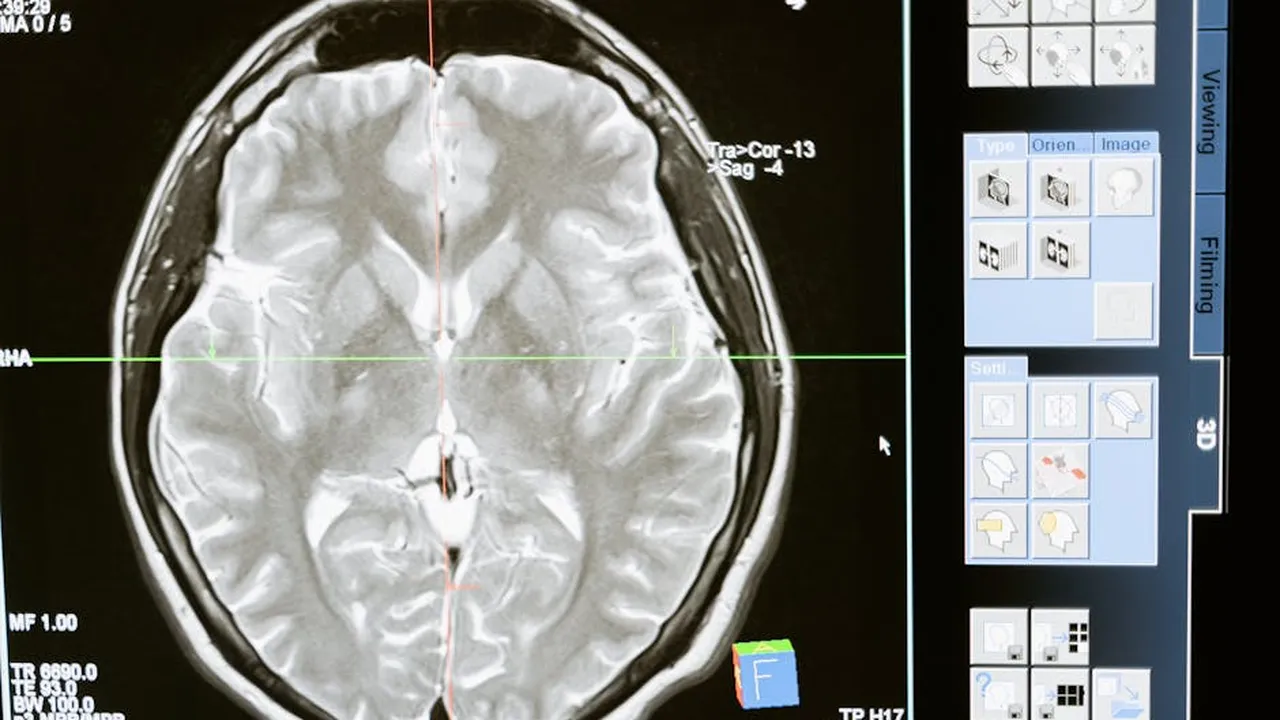
To diagnose TIP, doctors use a combination of physical examinations and imaging tests such as X-rays, CT scans, and MRI scans. The American Spinal Injury Association (ASIA) Impairment Scale is often used to classify the severity of the spinal cord injury and resultant paralysis.
When Your Body Freezes During a Traumatic Event
After a serious accident, most people think about broken bones, surgeries, or visible injuries.
What they don’t expect is how their body and mind might react in the moment the trauma happens.
Some people don’t scream.
They don’t move.
They don’t fight back.
They freeze.
If that happened to you during a car accident, truck collision, or sudden fall, you may have wondered afterward, “What was wrong with me?”
The truth is: nothing was wrong with you.
Your body was trying to survive.
“I Couldn’t Move”
During an overwhelming or life-threatening event, the nervous system can go into what’s known as a freeze response, sometimes called tonic immobility.
It can feel like:
- Your body suddenly shuts down
- You’re stuck in place and can’t move
- You try to speak or scream, but nothing comes out
- Your mind is alert, but your body won’t respond
It’s a deeply unsettling experience. Many people remember thinking, “Move. Do something.” And still, they couldn’t.
This is not weakness.
It is not a failure.
It is not a choice.
It is an automatic survival response hardwired into the human nervous system.
When the brain perceives extreme danger and believes escape isn’t possible, it can trigger this freeze state. Your body makes the decision before “you” ever get a say in it.
Feeling Disconnected or Numb
Along with freezing physically, many people also experience something called dissociation.
In simple terms, it can feel like you’re not fully there.
You might feel:
- Detached from your body
- Like you’re watching everything happen from outside yourself
- Emotionally numb
- Unaware of pain until later
- Like time slowed down or became distorted
This is another protective response. When something is too overwhelming, the brain sometimes creates distance from it.
It can feel strange, even scary afterward. But again, it’s not a character flaw. It’s a coping mechanism.
Why the Memory Can Stay With You
Freezing in the moment doesn’t always end when the accident ends.
Many people replay that feeling of being stuck or powerless. That memory can linger and sometimes contributes to post-traumatic stress symptoms, including:
- Flashbacks
- Anxiety or panic
- Trouble sleeping
- Avoiding driving or certain locations
- Feeling constantly on edge
One of the hardest parts is not just the accident itself, but the memory of how helpless it felt.
Understanding that this reaction was automatic can help reduce the confusion and self-doubt that often follow.
The Weight of Shame
For many survivors, the most painful part isn’t the physical injury.
It’s the self-blame.
You might hear your inner voice saying:
“Why didn’t I react?”
“Why didn’t I move faster?”
“Why didn’t I fight harder?”
That voice can be harsh. But it’s also unfair.
Freezing is not a conscious decision. It’s a neurological reflex. Just like you don’t choose to pull your hand away from a hot stove, you don’t choose whether your body enters a freeze response under extreme threat.
Letting go of that self-blame can be one of the most important steps in healing.
Life After a Paralysis Diagnosis: What to Expect
Trauma-induced paralysis brings lifestyle adjustments and extensive rehabilitative therapy to regain function and independence. Research conducted by the Mayo Clinic states it can also lead to secondary health problems, such as pressure sores, respiratory complications, urinary tract infections, and psychological issues including depression and anxiety.
Further, the Christopher and Dana Reeve Foundation estimates that the lifetime costs associated with living with paralysis can be millions, depending on the severity of the paralysis.
Pathways to Healing and Recovery
Recovering from an injury that causes paralysis is an immense undertaking that involves much more than just physical rehabilitation. It is a journey that demands healing for both the body and the mind. While your medical team focuses on restoring physical function and managing your health, the emotional and psychological impact of the accident and your new reality must also be addressed.
This dual path to recovery can feel overwhelming, which is why building a comprehensive support system is so critical. Having trusted professionals, including dedicated legal advocates, to handle external stressors like insurance claims and medical bills allows you to dedicate your energy where it’s needed most: on your personal healing and well-being.
Professional Therapy Options
Working with a mental health professional is a powerful step in processing the trauma of a life-altering accident. The emotional weight of such an event can be just as debilitating as the physical injuries, often leading to conditions like post-traumatic stress disorder (PTSD), anxiety, and depression.
Therapy provides a safe space to work through these challenges with a trained expert who can offer proven strategies for coping and healing. Finding the right therapeutic approach is a personal choice, but several methods have proven particularly effective for trauma survivors. These therapies offer structured pathways to help you understand your emotional responses and develop healthy ways to move forward.
Cognitive Behavioral Therapy (CBT)
Cognitive Behavioral Therapy, or CBT, is a practical, goal-oriented form of psychotherapy. Its core principle is that our thoughts, feelings, and behaviors are interconnected, and that changing negative thought patterns can lead to changes in our feelings and actions. After a catastrophic accident, it’s natural to be flooded with distressing thoughts about the event, your future, and your capabilities.
A therapist using CBT can help you identify these unhelpful thought patterns and equip you with tools to challenge and reframe them, empowering you to regain a sense of control over your emotional state.
Eye Movement Desensitization and Reprocessing (EMDR)
For many survivors, the memory of the traumatic event can feel as vivid and terrifying as if it were happening all over again. Eye Movement Desensitization and Reprocessing (EMDR) is a specialized therapy designed to help people heal from the emotional distress caused by disturbing life experiences.
It works by helping your brain reprocess the traumatic memory so that it no longer has the same emotional charge. EMDR is highly effective in reducing the intensity of flashbacks and nightmares, allowing you to remember the event without being emotionally overwhelmed by it.
Psychoeducation to Reduce Guilt
A surprising but common emotional response to a traumatic accident is guilt or self-blame, even when you did nothing wrong. Psychoeducation is the process of learning about the psychological and physiological effects of trauma.
Understanding that your emotional responses, whether it’s anxiety, anger, or numbness, are normal reactions to an abnormal event can be incredibly validating. This knowledge helps demystify the healing process and can reduce feelings of shame, empowering you to see yourself not as a victim, but as a survivor navigating a challenging but understandable recovery path.
Coping Strategies for Daily Life
Alongside professional therapy, developing personal coping strategies is essential for managing the day-to-day challenges of recovery. These are practical tools you can use in the moment to manage stress, calm your nervous system, and stay grounded when you feel overwhelmed.
Integrating these practices into your daily routine can significantly improve your overall well-being and resilience. They serve as your personal toolkit for navigating the emotional ups and downs of your healing journey, complementing the deeper work you do in therapy and giving you a greater sense of agency over your own recovery.
Mindfulness and Grounding Techniques
When anxiety or a painful memory surfaces, it can feel like you’re losing your connection to the present moment. Mindfulness and grounding techniques are simple yet powerful methods to bring your focus back to the here and now. Mindfulness involves paying attention to the present moment without judgment, such as focusing on the sensation of your breath.
Grounding techniques, like naming five things you can see or feeling your feet on the floor, anchor you to your current environment. These practices can provide an immediate sense of safety and calm during moments of distress.
Building a Strong Support System
You do not have to walk this path alone. Building a strong support system is one of the most crucial elements of a successful recovery. This network includes your family, friends, and medical team, but it can also extend to support groups where you can connect with others who have similar lived experiences. Sharing your story and listening to others can reduce feelings of isolation and provide invaluable encouragement.
Your professional team, including your attorneys, is also a key part of this system. At Deldar Legal, we handle the entire legal process so you can focus on what truly matters: your physical and emotional recovery.
How to Secure Compensation for Your Injuries
Trauma-induced paralysis is a life-altering condition resulting from severe physical injuries that cause pain through the neural pathways. As we continue to understand more about this condition, emphasis remains on prevention, immediate medical intervention following trauma, and extensive rehabilitation to improve the lives of those affected.
Long-term side effects of these spinal cord injuries can result in loss of income and changes in lifestyle. For that, Deldar Legal provides a roadmap for financial stability and getting you the professional help you need. Schedule a free case evaluation today by giving us a call at (844) 335-3271 or contact us online.
Holding Negligent Parties Accountable
When a catastrophic event like a car crash or a serious fall leads to trauma-induced paralysis, it’s rarely a random accident.
Often, it’s the direct result of someone else’s negligence. Holding the responsible party accountable is not about assigning blame; it’s about securing the resources you need to manage a life-altering condition. The journey forward involves extensive medical intervention and rehabilitation, and the costs can be overwhelming.
A successful personal injury claim ensures that the person or entity whose actions caused your injury is held financially responsible for the care and support you will need for the rest of your life. This is a critical step in reclaiming control after a catastrophic injury and building a stable foundation for your future.
Damages for Psychological and Emotional Trauma
The impact of trauma-induced paralysis extends far beyond the physical limitations. As the Mayo Clinic highlights, survivors often face significant psychological challenges, including depression and anxiety, alongside secondary health complications. The emotional weight of adapting to a new reality, coupled with the trauma of the initial event, can be just as debilitating as the paralysis itself.
California law recognizes this immense suffering. In a personal injury case, you can seek compensation for non-economic damages, which cover pain, suffering, emotional distress, and loss of enjoyment of life. This acknowledges that your well-being is more than just physical health and provides resources to support your mental and emotional recovery.
How a Personal Injury Claim Can Support Your Recovery
Facing a future with paralysis means confronting enormous financial pressures, from lost income to drastic changes in your lifestyle and the need for lifelong care. A personal injury claim provides a clear path toward financial stability. The compensation secured can cover not only immediate medical bills but also future surgeries, physical therapy, mobility equipment, and home modifications.
At Deldar Legal, we handle every aspect of your claim, from investigating the accident to fighting with insurance companies, so you can focus entirely on your health. We work to build a comprehensive plan that addresses your long-term needs, ensuring you have the professional help and financial support required to move forward with security and dignity.
You can schedule a free consultation to understand your options.
Frequently Asked Questions
Why did I freeze during my accident instead of trying to get away?
This is an incredibly common question, and it’s important you know that your reaction was a completely involuntary survival instinct. It’s a phenomenon called tonic immobility, where your brain perceives a threat so overwhelming that fighting or fleeing aren’t options. In response, your nervous system hits a pause button on your body’s motor functions to protect you from further harm or pain.
It is not a sign of weakness or a conscious choice; it was your body’s primal way of trying to keep you alive.
Is the psychological “freeze” from trauma the same as paralysis from a spinal cord injury?
No, they are different, though they can unfortunately happen at the same time. The “freeze” response, or tonic immobility, is a temporary, psychological shutdown caused by the brain’s reaction to extreme fear. Physical paralysis from a spinal cord injury is a long-term or permanent condition caused by nerve damage that prevents signals from traveling between your brain and parts of your body.
Both are serious consequences of a traumatic event, and both are considered significant damages in a personal injury claim.
I feel so much shame and guilt for not reacting during the accident. Is that normal?
Yes, it is a very normal, though painful, part of the aftermath. Many survivors of traumatic events carry a heavy burden of self-blame, questioning why they didn’t do more to protect themselves. These feelings are often a symptom of Post-Traumatic Stress Disorder (PTSD) and are directly linked to the experience of tonic immobility.
Understanding that you had no control over this biological reaction is a crucial first step in healing and letting go of that undeserved guilt.
Can a personal injury claim cover my emotional distress, or is it only for my physical injuries and medical bills?
Your emotional and psychological recovery is just as important as your physical healing, and California law recognizes that. In a personal injury case, you can pursue compensation for what are known as “non-economic damages.”
This includes the pain, suffering, anxiety, and loss of enjoyment of life that result from the trauma. We work to ensure your settlement or verdict reflects the full scope of your suffering, not just the numbers on your medical bills.
How can I possibly afford a lawyer when I’m already overwhelmed with medical costs and can’t work?
We understand that the financial strain after a catastrophic injury is immense. That’s why our firm operates on a contingency fee basis, which means you pay absolutely nothing upfront. We cover all the costs of investigating and litigating your case.
Our fee is a percentage of the settlement we win for you. With a proven record of over $250 million recovered, we fight for maximum compensation. Simply put, if we don’t win your case, you don’t owe us a dime. This allows you to access top-tier legal representation without any financial risk, so you can focus completely on your recovery.
2026 California Legal Update: California continues to be at the forefront of recognizing both physical and psychological trauma in personal injury cases. Courts increasingly accept expert testimony on tonic immobility and PTSD paralysis as evidence of severe emotional distress damages. The statute of limitations for personal injury claims remains two years under California Code of Civil Procedure §335.1.
Frequently Asked Questions
Yes. Severe trauma from car accidents, falls, or violent incidents can cause permanent spinal cord damage leading to paraplegia or quadriplegia. The National Spinal Cord Injury Statistical Center reports that vehicle accidents cause nearly 37.6% of all spinal cord injuries. If you or a loved one has suffered paralysis due to someone else’s negligence, contact Deldar Legal for a free case evaluation.
Physical trauma-induced paralysis results from actual nerve or spinal cord damage and may be permanent. PTSD paralysis (tonic immobility) is a psychological freeze response where the body temporarily shuts down motor functions during extreme stress. Both types are legitimate injuries that can be included in a personal injury claim.
Paralysis claims are among the highest-value personal injury cases. Compensation typically includes lifetime medical care costs (which can reach millions of dollars), lost earning capacity, pain and suffering, home modifications, and assistive equipment. Deldar Legal has recovered over $250 million for injured clients. Call (844) 335-3271 today.
Yes. California law recognizes emotional distress as a compensable injury in personal injury claims. If you experienced tonic immobility, PTSD, anxiety, or depression after an accident caused by someone else’s negligence, these psychological injuries can increase your compensation. Under California’s pure comparative negligence system, you can recover damages even if you share partial fault.
Injured Through No Fault of Your Own? Get Help Now.
With over $250 million recovered for our clients, Deldar Legal fights for the compensation you deserve. Our consultations are 100% free, and you pay nothing unless we win your case.
Call (844) 335-3271 or Schedule Your Free Consultation Online
Key Takeaways
- Your “Freeze” Response Was a Survival Instinct:
The inability to move or scream during an accident is a real, involuntary reaction called tonic immobility. It’s not a sign of weakness but a deep-seated biological defense mechanism, and understanding this is the first step toward healing. - Healing Requires Addressing Both Body and Mind:
Recovery from a traumatic accident involves more than physical rehabilitation. Professional therapies like CBT and EMDR are effective tools for processing the emotional trauma and overcoming the guilt or shame often linked to the freeze response. - A Legal Claim Covers the Full Scope of Your Injuries:
Compensation isn’t just for physical paralysis and medical bills; it also accounts for the profound emotional distress and psychological impact of the event. A personal injury claim holds the negligent party financially responsible for your complete recovery journey.