

A crash involving automated driving technology can leave you facing pain, medical appointments, missed work, and rental-car problems while you try to understand who was in control. An autonomous vehicle accident lawyer California case review may need to consider the driver, the vehicle maker, a software provider, or other parties. Technology alone does not answer those questions. Preserving evidence early can help clarify what happened.
Call Deldar Legal at (844) 335-3271 or request a case review.
Why can an automated-driving crash have more than one explanation?
People often say “self-driving” for many different features. Some assist with steering, speed, or braking but require a human to supervise continuously. Other systems may perform more tasks in limited conditions. A marketing label or casual description does not establish the system’s legal capabilities, whether it was active, or whether the vehicle operated as designed at the moment of impact.
Start with the specific vehicle and feature. A driver-assistance function may help maintain distance or stay within lane markings, while still requiring the person behind the wheel to watch the road and respond. A collision might involve a driver who did not react, a system that did not detect a hazard, confusing alerts, a maintenance issue, or several factors together. An investigation should test each possibility against evidence instead of assuming automation either caused or prevented the crash.
California injury claims generally turn on facts such as duty, breach, causation, and damages. Depending on the evidence, a claim may involve negligence, a product-defect theory, or both. Product-liability questions can include whether a design or manufacturing defect existed or whether warnings and instructions were adequate. These are fact-specific legal issues, not conclusions that follow simply because a vehicle used advanced technology.
Which parties may need investigation?
Responsibility depends on the circumstances. Potentially relevant parties may include the human driver, a vehicle or component maker, a company responsible for software or updates, a maintenance provider, another road user, or an entity responsible for a roadway condition. Naming a company requires evidence tying its conduct or product to the injury.
- The human driver: Was the person attentive, following system instructions, and able to take control? Was the feature engaged?
- The vehicle or component maker: Did a design, manufacturing, or warning issue contribute?
- A software or technology provider: What version was installed, what alerts were issued, and what functions did it perform?
- A repair or maintenance provider: Were repairs, calibration, or maintenance performed and documented correctly?
- Other drivers or entities: Did another road user or a dangerous roadway condition contribute?
More than one party may share responsibility. California comparative-fault principles can affect recovery if an injured person is assigned a share of fault. Allocation depends on evidence and applicable law; it should not be guessed from an initial police narrative or a company’s early statement.
For general context about vehicle automation and safety, consult the National Highway Traffic Safety Administration at NHTSA. The agency provides public vehicle-safety resources. A specific legal claim still requires review of the facts and applicable California law.
What evidence can show whether automation was active?
A central challenge is reconstructing what the vehicle and people did in the seconds before and during impact. Ordinary collision evidence remains important, but a vehicle with automated features may also generate electronic records. Some information may be overwritten, lost through updates, or become harder to obtain if the vehicle is repaired, sold, or returned to service.
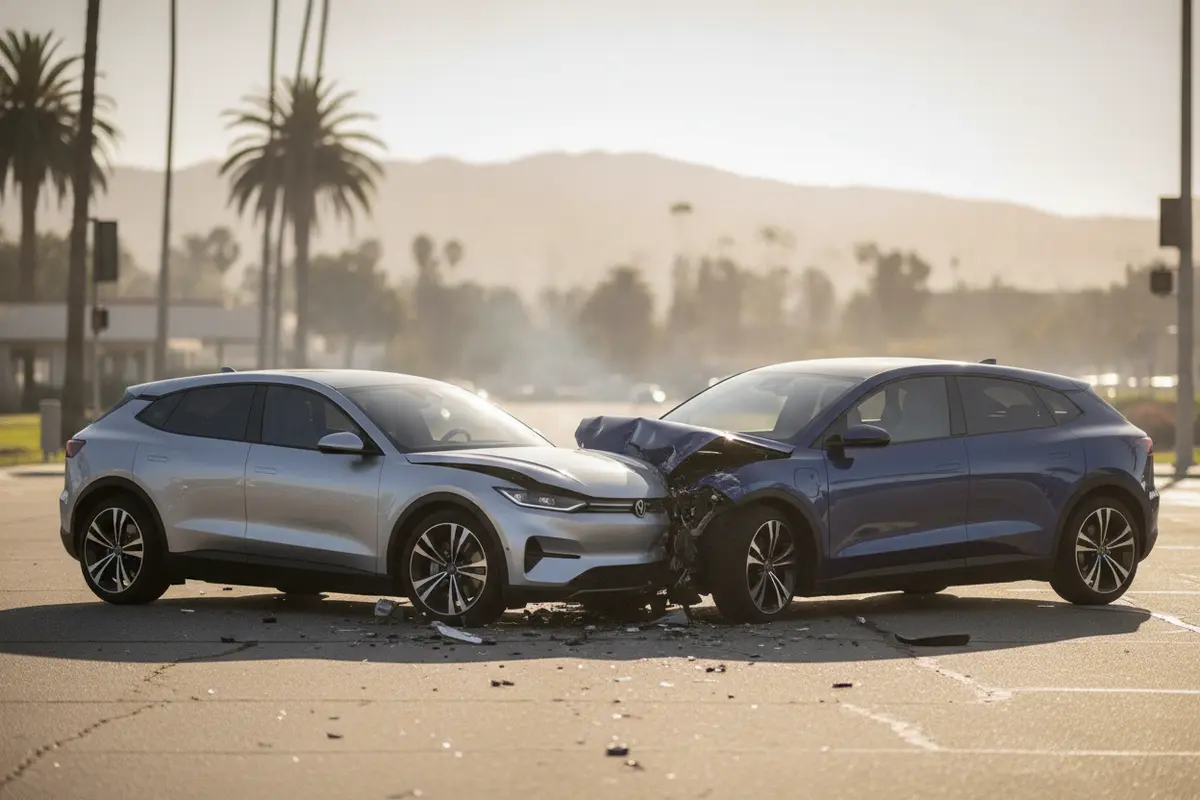
Potential evidence includes photographs, surveillance or dash-camera footage, event data recorder information, driver-assistance logs, diagnostic records, software-version history, warning notifications, app records, maintenance history, and communications with an automaker or insurer. Not every vehicle records every category. The format, retention period, and access process vary by model and system.
Preserving evidence does not mean trying to access or alter the vehicle yourself. Avoid resetting systems, deleting app data, or authorizing work that could change relevant components before the issue is understood. Keep the vehicle secure when possible and document its condition. If it must be moved or repaired for safety or practical reasons, record the reason, take photographs, retain invoices, and ask whether removed parts and electronic data can be preserved.
What should you do after a crash involving this technology?
- Address immediate safety and medical needs. Call emergency services when appropriate and obtain medical care. Some injuries are not obvious at the scene. Follow medical advice and keep appointment and treatment records.
- Report the collision. Give accurate information to law enforcement and exchange required information with other involved parties. Do not speculate about technical performance or accept blame before the facts are clear.
- Document the scene and vehicle. If safe, photograph positions, damage, road conditions, signs, lane markings, weather, and visible alerts. Record the make, model, year, and feature names shown in the owner materials.
- Preserve digital records. Keep relevant apps, messages, photographs, trip records, and communications. Do not erase or edit potentially relevant data. Write down any remembered warning, feature activation, or manual takeover.
- Track the practical impact. Save medical bills, prescription receipts, wage information, transportation costs, rental-car documents, and notes about daily limitations. A brief dated note can record pain, sleep disruption, help needed at home, or missed activities without requiring a detailed diary.
- Be measured with insurers and public statements. Give truthful information, but do not guess about technical causes. Before signing a release or giving a recorded statement about a complicated crash, understand what is requested and consider legal advice.
- Ask promptly about preserving the vehicle and data. A qualified investigation may need inspection, imaging, or formal preservation steps. Timing matters when evidence could change or disappear.
These steps do not replace tailored legal advice. If storage, repair, or transportation needs mean the vehicle cannot remain untouched, explain those constraints promptly. Safety comes first; the aim is to document changes and consider reasonable preservation measures rather than delay necessary care or repairs.
How do investigators evaluate vehicle and software evidence?
A useful investigation starts by identifying the precise system and its operating limits. The owner’s manual, in-vehicle notices, software documentation, and manufacturer communications may explain what the system was designed to do and what the driver was told to do. Investigators then compare those instructions with actual use and physical evidence.
Depending on the case, specialists may examine vehicle damage, roadway marks, event data, system logs, sensor performance, software configuration, and the sequence of warnings or driver inputs. They may compare electronic data with witness accounts, video, photographs, and police records. A record showing a feature was enabled does not by itself prove that it caused the crash. A driver’s memory may also be incomplete after a frightening event. Independent sources help test competing accounts.
Preservation can involve written requests that the vehicle and related data not be altered, plus coordination about inspection and access. Formal legal procedures may be needed to obtain records from manufacturers or other parties. Some records may include proprietary or personal information, and access may be disputed. A routine insurance claim does not necessarily secure every technical record.
A practical evidence map
Organizing evidence by question can make a complicated matter easier to understand. For example, if the issue is whether the system warned the driver, note the alert remembered, preserve app notifications, identify any passenger who heard it, and seek the relevant vehicle records. If the issue is whether a road hazard was visible, preserve scene photographs, identify nearby cameras, and note lighting, weather, and sight lines. One record rarely answers everything; the goal is to compare independent sources.
Keep an evidence log with the item, source, date obtained, and where the original is stored. Save original image files when possible rather than relying only on screenshots or edited copies. Make a separate copy for sharing, and do not annotate or crop the original. Write down who gave you a document and whether it came from an insurer, repair facility, police agency, or vehicle company. This simple practice can help distinguish original records from later summaries.
How do insurance and product claims fit together?
Insurance handling can be complicated when responsibility is unclear. Your policy may provide particular benefits or coverage depending on its terms and circumstances. Another driver’s insurer may investigate its insured’s role. A product-related claim may involve a manufacturer or another business, but it does not necessarily replace an ordinary auto claim. Different insurers may conduct separate investigations and take different positions.
Keep copies of policy information, claim numbers, adjuster communications, repair estimates, medical records, and forms you submit. Track dates and names. Ask what a document authorizes before signing it. A repair estimate, medical authorization, settlement release, and permission to inspect a vehicle can have different consequences. If a company asks to inspect the vehicle or collect data, document the request and seek advice if the scope or preservation effect is unclear.
Compensation, if legally available, may depend on proof of injury and causation. Potential categories can include medical expenses, lost income, and non-economic harm. Available categories and value depend on facts, evidence, coverage, and law. A headline recovery does not show what another injured person will receive, and no result can be predicted from a short description.
Keep the claims on separate tracks
It can help to create a simple contact sheet listing each insurer or company, its representative, claim number, requested documents, and response deadline. Do not assume that one adjuster speaks for every involved party. A vehicle maker’s request for information, an auto insurer’s coverage review, and a health plan’s payment inquiry may each have a different purpose. Keep the original request and your response together.
When an insurer asks for medical or vehicle records, clarify the date range and subject of any authorization. Do not sign a blank or overly broad form just because a representative says it is routine. Ask for the request in writing and retain a copy of anything you sign. The right response depends on the policy, claim, and circumstances, so this is an area where case-specific advice can prevent confusion.
Which facts often shape a California claim?
These practical questions can organize a case review. Their answers may change as records become available.
| Issue | Evidence to identify | Why it matters |
|---|---|---|
| System use | Feature status, driver inputs, alerts, operating conditions | Helps determine what the system and driver were doing |
| Vehicle condition | Damage, maintenance, repairs, calibration, component history | May reveal a mechanical or maintenance contribution |
| Product performance | Design materials, software versions, warnings, system logs | May inform whether a product-related theory warrants investigation |
| Collision mechanics | Photos, video, witnesses, scene measurements, event records | Helps reconstruct timing, movement, and impact |
| Injury and loss | Medical records, work records, expenses, daily-impact notes | Connects the collision to harm and documents its effects |
| Deadlines and parties | Incident date, involved entities, insurance and agency records | Helps identify procedural requirements and preserve options |
Consider a hypothetical intersection collision. A driver recalls using lane assistance but cannot remember whether adaptive cruise was active. A passenger recalls a warning tone. A nearby camera shows the vehicle’s path but not the dashboard. The vehicle has a recent repair record. None of those facts alone determines fault. Together, they suggest questions about feature status, warning timing, visibility, repair work, and driver response. The same approach applies when a system was used on a freeway, in a parking area, or during a lane change: identify the conditions and compare each account with available records.
California law sets time limits for many injury claims, but the applicable deadline can depend on the parties and circumstances. Claims involving a public entity can have different, shorter claim-presentation requirements. Do not rely on a general online deadline without checking the facts. Prompt advice can help identify the relevant timeline while evidence is preserved.
The appropriate legal theory also depends on what the vehicle was doing, whether a defect is supported, and how the injury occurred. Counsel may assess negligence, product liability, or other theories and decide which parties should receive preservation requests. The purpose is to follow evidence, not to assume a manufacturer is at fault whenever advanced technology is present.
How can you prepare for a lawyer consultation?
A focused consultation can begin with a short timeline: where and when the crash happened, what each vehicle did, what you remember about system use or alerts, and what happened afterward. You do not need to arrive with a technical explanation. Bring or list the police report number, photographs, witness details, insurance information, medical providers, and communications from any vehicle company.
If the vehicle is stored, being repaired, or scheduled for return, mention that immediately. Explain who currently has it, where it is located, what work has been proposed, and whether anyone has requested an inspection. This information may affect the order of next steps. If you do not have a document, write down who may have it; do not delay a conversation while trying to assemble a perfect file.
Useful questions include:
- Which additional parties or evidence should be investigated based on these facts?
- How can the vehicle and electronic records be preserved without disrupting necessary repairs?
- Which deadlines might apply, including any public-entity claim requirements?
- What should I do with requests from insurers, manufacturers, or repair providers?
- How will medical expenses, lost income, and future needs be documented?
- What costs, fees, and responsibilities should I understand before deciding whether to proceed?
Deldar Legal represents injured people in California and reports more than $250 million recovered. Past results do not predict or promise a result in another matter. Every case is different, and outcomes depend on the facts and applicable law. A careful assessment should explain uncertainties as well as possible next steps.
For related information, see Deldar Legal’s pages on California auto accident claims, car accident representation, personal injury matters, Los Angeles legal services, California locations, the firm’s approach, and consultation information.
For context on nearby practice areas, you can also review Deldar Legal’s information about defective product claims and strict liability principles. These resources offer general background and do not determine how a particular vehicle claim should be evaluated.
Frequently asked questions
Does a crash involving driver-assistance technology automatically make the manufacturer responsible?
No. Technology involvement alone does not establish fault. The investigation must examine system capability, activation, warnings, driver conduct, vehicle condition, collision evidence, and applicable law.
Can vehicle data show whether an automated feature was active?
Some vehicles may store information about system status or driver inputs, but availability and detail vary by model and system. Data should be preserved and interpreted alongside physical evidence and other records.
Should I let the vehicle be repaired after the collision?
Safety and practical needs matter, but repairs may alter evidence. Photograph the vehicle, keep repair and storage records, and seek timely advice about inspection and preservation before authorizing work when feasible.
What if I do not know whether the system was on?
Do not guess. Write down what you remember, preserve app and vehicle records, and identify witnesses or video. A technical investigation may help establish what was happening.
How long do I have to bring a California claim?
Deadlines vary with the claim and parties involved, and public-entity matters can require earlier action. Have the specific timeline reviewed promptly rather than relying on a general rule.
Call Deldar Legal at (844) 335-3271 or request a case review.
Discuss your situation and the next steps
A collision involving automated driving technology can raise difficult technical and legal questions while you are trying to recover. Preserve what you can, get medical care, and ask for a case-specific review of the evidence and deadlines.
Author
Deldar Legal is a California personal injury law firm. The firm approaches injury matters with integrity, excellence, justice, respect, and compassion. This article is general information, not legal advice; individual circumstances require review under applicable law.