

A bicycle crash can upend a normal day in seconds. You may be dealing with pain, medical appointments, a damaged bike, missed work, and an insurer that wants a statement before you understand what happened. California law gives cyclists important rights. Protecting a claim often depends on what happens in the first days after a collision. This guide explains the rules, evidence, and legal options a cyclist should understand after a crash.
Were you hurt in a bike collision? Learn how to choose a qualified accident attorney before accepting an insurance offer.
California cyclists have the same roadway rights and duties
Under California Vehicle Code section 21200, a person riding a bicycle on a highway generally has the same rights and responsibilities as a driver of a vehicle. Except where a rule cannot reasonably apply. That matters when a driver claims a cyclist did not belong in the lane or should have stayed out of traffic. A cyclist has a lawful place on California roads.
California also has specific bicycle rules. For example, Vehicle Code section 21202 addresses when a cyclist should ride near the right-hand curb or edge of the roadway. It includes important exceptions, such as when a cyclist is passing, preparing for a left turn, avoiding hazards. Approaching a place where a right turn is authorized, or traveling in a lane too narrow to share safely with a motor vehicle. The question is not simply whether a rider was “far enough right.” The real question is whether the rider and driver acted reasonably under the road conditions.
Other rules can matter too, including the requirement that motorists leave at least three feet when passing a bicycle where feasible under Vehicle Code section 21760. A driver who violates this passing distance rule may be presumed negligent in a collision. Evidence of the passing lane width, vehicle speed, and the cyclist position can all help establish whether the driver met or failed the three-foot requirement. You can review the statutory text through the California Legislative Information website.
What should you do after a bicycle accident in California?
Your health comes first. Call 911 if anyone is seriously hurt, and ask for medical care even if the pain seems manageable at the scene. Adrenaline can mask injuries, and a prompt record can connect your symptoms to the crash.
- Get to a safe place and call law enforcement. A police report may identify parties, witnesses, road conditions, and the initial account of how the collision happened.
- Document the scene. Photograph the vehicles, bicycle, road surface, lane markings, nearby signs, debris, visible injuries, and the driver’s insurance information. Do not repair or discard the bicycle before it is documented.
- Gather witness details. Ask for names, phone numbers, and email addresses. Independent witnesses can be critical when accounts conflict.
- Seek medical evaluation and follow treatment advice. Keep records of visits, prescriptions, mileage, time missed from work, and out-of-pocket costs.
- Be careful with insurers. Reporting a crash is different from giving a recorded statement or agreeing with an adjuster’s version of fault. Consider legal guidance before signing a release or accepting payment.
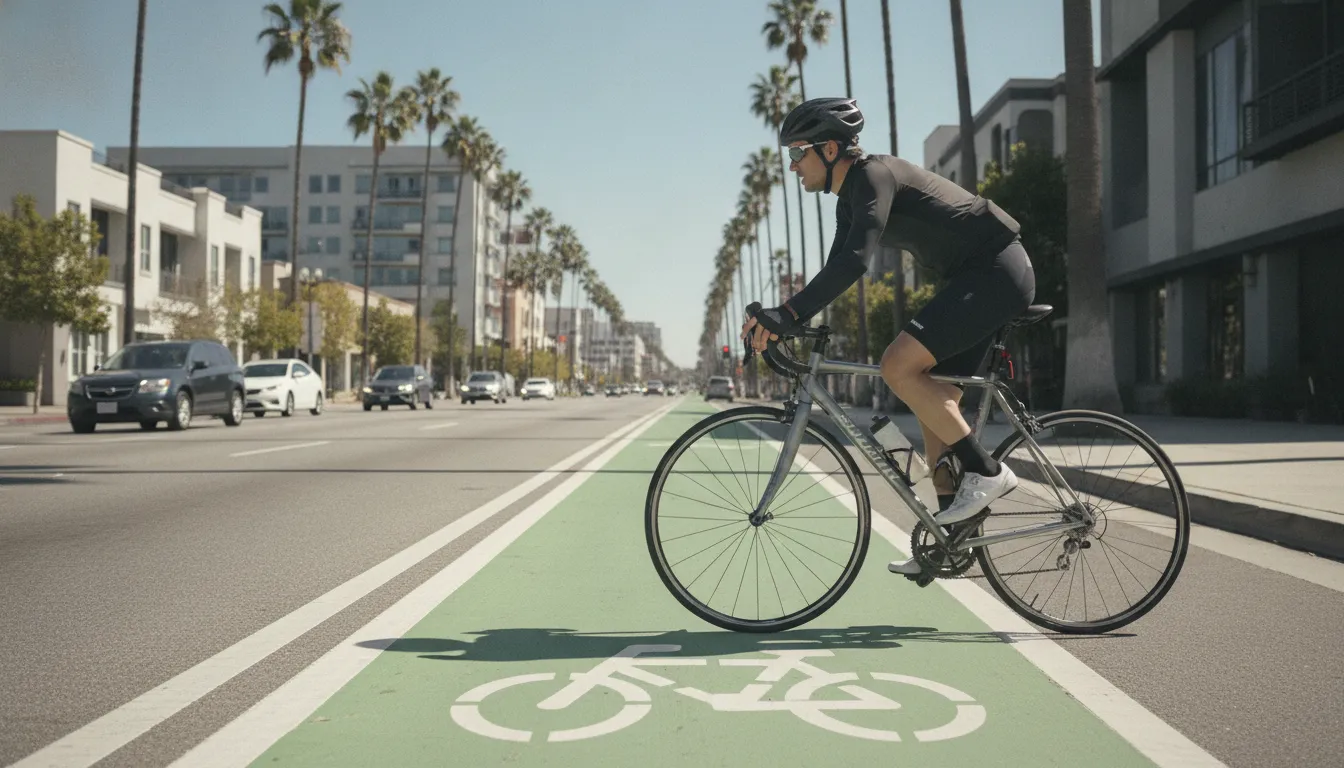
Common bicycle crashes and who may be responsible
Many bicycle collisions are not caused by one simple mistake. A driver, commercial vehicle operator, property owner, public entity, manufacturer, or another road user may share responsibility. A careful investigation should preserve evidence before video is overwritten and memories fade.
Right-hook and left-turn collisions
A right-hook crash can happen when a driver passes a cyclist and turns right across the cyclist’s path. A left-turn collision can occur when a driver turns across oncoming bicycle traffic. Traffic signals, turn lanes, vehicle position, speed, and camera footage may help establish what occurred.
Dooring, unsafe passing, and lane-change crashes
A driver or passenger who opens a door into a cyclist’s path can cause serious harm. Unsafe passing and abrupt lane changes can also force a rider into traffic or a fixed object. The three-foot passing law may be relevant, but every case requires a fact-specific analysis.
Road hazards and defective equipment
Dangerous pavement, construction conditions, missing signs, or a defective bicycle component may point beyond the driver who struck you. Claims involving a government entity can have short notice deadlines, so early investigation is especially important.
A thorough investigation can also identify product defects when a faulty bicycle component such as a wheel, brake, or frame contributed to the crash. California product liability law may allow a claim against the manufacturer or distributor when a defective part caused or worsened injuries.
Dangerous pavement, construction conditions, missing signs, or a defective bicycle component may point beyond the driver who struck you. Claims involving a government entity can have short notice deadlines, so early investigation is especially important.
How is fault determined in a California bicycle accident?
California follows pure comparative negligence. An injured cyclist can still pursue a claim when they share some fault, but any recovery may be reduced by that percentage. Fault is decided from the evidence, not just an insurer’s first conclusion.
| Evidence | Why it can matter |
|---|---|
| Photos and roadway markings | They can show lane position, sightlines, hazards, traffic controls, and road surface conditions that may have contributed to the crash. |
| Witness and camera evidence | They may clarify a disputed turn, pass, signal, or impact sequence. |
| Vehicle and bicycle damage | Physical damage can support or challenge accounts of how the crash occurred. |
| Medical records | They document injuries and the care connected to the collision. |
That rule gives insurers an incentive to focus on lighting, helmet use, lane position, speed, or a claimed failure to signal. Some facts may matter, but an insurer’s accusation is not the final word. Evidence such as the police report, vehicle damage, surveillance footage, cell-phone records where legally available, witness accounts, scene measurements, and medical documentation can change the analysis.
For a broader look at liability principles that may overlap with a motor-vehicle collision, see Deldar Legal’s guide to California traffic laws after an accident.
Helmet laws and your bicycle injury claim
California requires riders under 18 to wear a properly fitted bicycle helmet under Vehicle Code section 21212. Adults are not generally required by that statute to wear one. Still, helmet use may be raised in a case involving a head injury. Whether it affects fault or damages depends on the specific evidence and legal arguments, not a blanket rule.
A helmet issue should never distract from the conduct that caused the crash. If a driver turned into a rider, passed too closely, or failed to yield, that conduct deserves a full investigation. The same is true when a roadway defect or commercial vehicle is involved.
What damages can an injured cyclist seek?
A bicycle accident claim may seek compensation for economic and non-economic losses caused by another party’s negligence. Depending on the facts, recoverable damages can include past and future medical expenses, lost income and lost earning capacity. Bicycle replacement or repair, and compensation for pain, suffering, and loss of enjoyment of life.
An experienced lawyer can help evaluate available insurance policies and identify all potentially responsible parties. California Civil Code section 1431.2 addresses liability for non-economic damages in certain cases. Read more about how contingency fee representation works if cost is part of your decision.
California Civil Code section 1431.2 addresses liability for non-economic damages in certain cases. An experienced lawyer can evaluate the available insurance policies, identify all potentially responsible parties, and calculate losses that may not be obvious in an early settlement offer. Read more about how contingency fee representation works if cost is part of your decision.
Do you need a bicycle accident lawyer in California?
Not every collision requires an attorney. But legal help can be particularly important when injuries are serious, fault is disputed, a commercial driver or government entity may be involved. Multiple policies apply, or an insurer pressures you to settle before your condition is clear.
A bicycle accident lawyer can help preserve evidence, communicate with insurers, assess the full scope of damages, and prepare a case for negotiation or trial. At Deldar Legal, trial-ready preparation begins early because evidence can disappear quickly. The firm also focuses on the client’s net recovery, including careful attention to liens and case costs. Deldar Legal has recovered more than $250 million for injured clients, but every case is different and past results do not predict a future outcome.
If a crash has left you facing medical bills or missed work, review the signs that it may be time to speak with a personal injury lawyer.
Understanding how California bicycle laws apply in everyday riding
Everyday situations on a bicycle can raise legal questions that matter after a crash. For instance, when two cyclists ride side by side, when a cyclist passes on the right. Or when a rider uses a crosswalk, the rules may differ from what drivers expect. Knowing these rules can help a cyclist make safer decisions and also help a lawyer assess how fault applies.
The California Vehicle Code provides specific guidance on bicycle equipment, signaling requirements, and riding on sidewalks where local ordinances permit it. A bicycle accident lawyer california injury victims trust can explain how these rules apply to a specific case. Evidence such as the type of bicycle, presence of lights after dark, and whether the rider signaled a turn can all become relevant.
Local municipal codes may also add requirements in cities like Los Angeles, San Francisco, or San Diego. A local attorney familiar with city-specific bicycle rules can identify issues that a general practice lawyer might miss. This is one reason why choosing the right legal representation for a bicycle claim matters from the very beginning.
Frequently asked questions
Do I need a bicycle accident lawyer in California?
You may benefit from legal advice when you have significant injuries, disputed fault, a low settlement offer, or questions about insurance coverage. A lawyer can evaluate the facts and explain your options before you sign a release.
What should I do after a bicycle accident in California?
Get medical care, call law enforcement when appropriate, photograph the scene, collect witness information, preserve your bicycle and gear, and keep treatment and expense records. Avoid making assumptions about fault in an insurer statement.
How is liability determined in California bicycle accidents?
Liability depends on the evidence, including traffic laws, roadway conditions, witness accounts, physical damage, and available video. California’s comparative negligence system can allow recovery even when an injured cyclist shares some responsibility.
What is the average settlement for a bicycle accident in California?
There is no reliable average that can predict your result. The value of a claim depends on injuries, treatment needs, lost income, insurance coverage, fault evidence, and many other facts. Be cautious of anyone who promises a particular result.
Talk with a California injury team that prepares early
After a bicycle crash, you deserve clear answers and respectful support, not pressure from an insurance company. Deldar Legal represents injured Californians with integrity, compassion, and a trial-focused approach. A conversation can help you understand the next steps while you focus on healing.