

After a crash on the tracks, the hard part is often not the form. It is knowing which recording still exists. San Jose train claim evidence is the set of records that show what the train, the crossing, and the people nearby were doing. Those files sit with different operators. Some are kept for only a short time.
This guide is for passengers, drivers, and people on foot who were hurt in San Jose. It covers what to save, who may hold the files, and two clocks that matter. The San Jose office is the local starting point. It is not a promise about what a claim is worth. Every case turns on its own facts.
Call Deldar Legal at (844) 335-3271 or request a free consultation to talk through the records that still exist.
Why San Jose train claim evidence disappears fast
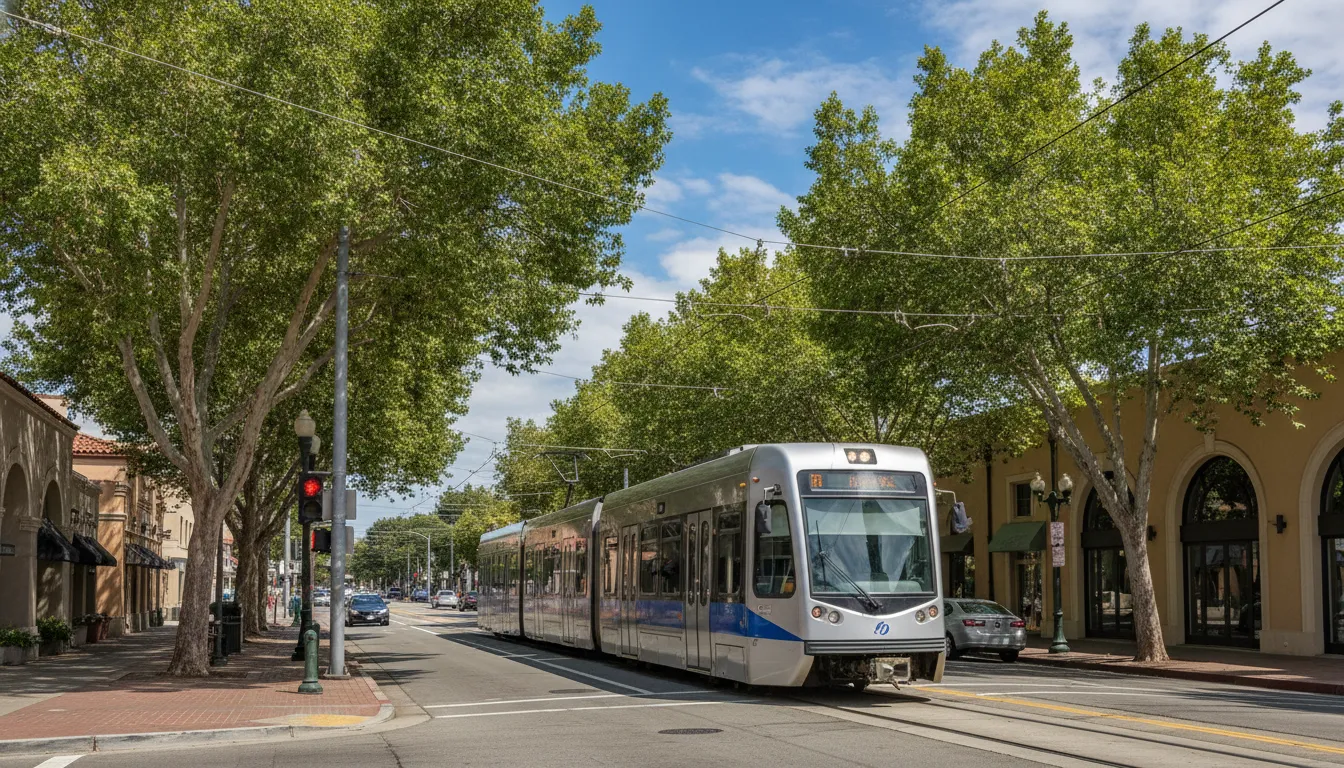
A train injury in San Jose is not one kind of event. Caltrain runs commuter service through Diridon, Tamien, and stations north and south of downtown. VTA runs light rail on city streets and on its own right of way. Amtrak uses the corridor. Freight railroads move through the same region. A car struck at a grade crossing raises different records than a rider hurt by a hard stop.
The files that decide those questions are not in one folder. Video may live on the train, on the platform, at a nearby business, or on a city camera. Radio traffic may live with the operator. A locomotive event recorder may live with the railroad that was using the engine. If nobody asks, routine overwrite can erase the useful window.
The statewide train and Metrolink accident overview explains crash types and who may be involved. This page stays on the San Jose proof problem: what to request, and when. A Sacramento train accident lawyer page covers a different city. Do not treat it as a San Jose checklist.
Who may hold the records after a San Jose crash
Start with the vehicle and the place. The name on the side of the train is a clue, not the whole answer. The company that runs the train may differ from the agency that owns the tracks, the station, or the crossing.
Caltrain and the Peninsula corridor
Caltrain service through San Jose is owned by the Peninsula Corridor Joint Powers Board. Day-to-day work has been handled under contract. That includes a long-running agreement with TransitAmerica Services, Inc. The split matters. A request aimed only at “Caltrain” can miss the contractor that holds dispatch notes, inspection logs, or onboard files.
Caltrain’s own about page is the public face of the service. It is not a records portal. For a claim, the useful ask is specific. Name the train number, the direction, the station or milepost, and the time window.
VTA light rail
Santa Clara Valley Transportation Authority operates light rail in San Jose and nearby cities. A light-rail crash at a street crossing can involve the train, the traffic signal, and the road. VTA is a public agency. A claim that names it can face a short government-claim deadline, covered later on this page. Route and station names are on the VTA routes page.
Amtrak, freight, and the crossing owner
An Amtrak train or a freight move can share track with commuter service. The railroad using the locomotive at the time of the crash is the one federal rules speak to about event-recorder data. A city, a county, or another public agency may own the road, the gate, or the warning lights. A private business may own the only clear camera angle.
None of those names proves fault. They only show where to send a preservation request before the file is gone.
What to save in the first two days
You do not need a lawsuit to start. You need a short list and a timestamp. Do this while you still remember the train number, the crossing, and who spoke to you.
- Get medical care, and keep the discharge papers, imaging, and every provider name.
- Write the train line, car number, direction, station or crossing, and the clock time.
- Photograph the scene, the vehicle, the gate or signal, blocked views, and your injuries.
- Save clothing and shoes. Do not wash off marks you have not photographed.
- Ask nearby businesses to keep outdoor camera footage, and note each camera address.
- Save names and numbers for other riders, the crew, and anyone who took a photo.
- Keep tickets, app receipts, and any message from the operator or its insurer.
- Skip a play-by-play on social media. A clip can be read out of context later.
If you were walking, the questions differ from a car crash. The firm’s pedestrian accident guide covers that broader setting. Use it for walking-injury basics. Use this page for the rail records.
Event recorders and the one-year hold
Many locomotives carry an event recorder. People call it a black box. It is not a video of the whole trip. Federal rules say what it must capture, and how long the railroad must keep the file after a reportable crash.
Under 49 CFR 229.135, a train run faster than 30 miles per hour generally needs an event recorder in the lead locomotive. The recorder must keep the most recent 48 hours of operation. The required data can include speed, direction, time, distance, and throttle position. It can also include air-brake use, independent brake use, and dynamic brake use. Newer units can record horn use and other safety inputs. Light rail is different equipment. Do not assume every VTA car has this device.
The preservation rule is paragraph (e). It applies when a locomotive with an event recorder is in an accident that must be reported under 49 CFR part 225. The same duty can cover another device on the locomotive that records how the train worked. The railroad using that locomotive must preserve the data for FRA analysis. The duty reaches as far as safety and the equipment allow.
The railroad may download and study the file. It must keep the original download, or an exact copy that has not been analyzed, in secure custody. The hold lasts one year after the accident. It lasts longer only if the FRA or the National Transportation Safety Board writes that it still wants the data.
Two limits matter. First, the duty is owed to investigators. It is not a private right to a free copy on day one. Second, the rule covers reportable railroad accidents, not every bump on a platform. Counsel can still ask the operator, in writing, to hold video, radio audio, and recorder data while the claim is reviewed. The NTSB leads when it takes a case. That work does not replace a civil claim, and it does not pause every deadline.
Which record answers which question
Match the record to the fact you need. A thick stack of unrelated paper does not help. A short list tied to the crossing, the train, and the clock does.
| Record | What it can show | Who may hold it |
|---|---|---|
| Event recorder download. | Speed, brakes, throttle, time, and horn use when equipped. | Railroad using the locomotive. |
| Outward and inward cameras. | The view ahead, the crew, and the passenger area if cameras exist. | Operator or its contractor. |
| Crossing gate and signal logs. | Whether lights and gates activated, and for how long. | Railroad, city, or signal maintainer. |
| Radio and dispatch audio. | What the crew and the control center said near the event. | Operator dispatch. |
| Platform and street cameras. | The approach, the impact, and who was where. | Agency, city, or a nearby business. |
| Track and equipment inspections. | Recent defects, repairs, and any open problem. | Track owner or maintenance contractor. |
| 911 calls, police reports, and medical records. | Call time, statements, and the first picture of the injury. | You, the city, and your providers. |
Business cameras are the ones that vanish first. Many systems loop every few days. A short written request the same week beats a call a month later. Include the date, the time, and the camera location.
The six-month clock for a public agency
Some San Jose rail claims name only a private railroad. Others name a public agency, such as VTA, a city that owns the road, or a joint-powers board. Those are different clocks.
California Government Code section 911.2 sets a six-month deadline for death, personal injury, and personal-property claims. The clock runs from when the cause of action accrues. Other claim types get one year. That six-month date is not the ordinary lawsuit deadline. Missing the claim can bar the case even when a lawsuit would still have looked timely.
The claim has to go to the right public entity, on the form that entity requires. A letter to the wrong office may not count. That is one reason to name the operator, the track owner, and the road owner early. Do not wait for a full investigation report.
Do not treat this page as a filing guide. The accrual date, the right form, and any late-claim relief depend on the facts. If a public agency may be involved, ask a lawyer to check the deadline. Do not rely on a longer personal-injury timeline. The firm’s California personal injury law overview is background, not a substitute for that check.
How preserved records get used
Evidence helps only when it connects a choice to the injury. A recorder file can support or undercut a story about a late stop. A gate log can show whether the warning ran for a normal interval. A camera can show a blocked view, a stopped car, or a person on the tracks. Medical records show the harm. None of those files, alone, sets a dollar figure.
Insurers often ask for a recorded statement early. You can give basic facts, such as your name and where you got care. You do not have to guess about speed, fault, or how long the gate was down. Wrong guesses are hard to walk back.
Liens can also change what a person receives. Health plans, hospitals, and public benefits may claim a share of a later recovery. The firm’s note on personal injury liens explains that issue. It is separate from gathering the rail files.
Deldar Legal is a California injury firm. The firm has recovered more than $250 million for clients across its work. That history is not a prediction for a train claim. Results depend on the facts, the proof that still exists, and the law that applies. Past outcomes do not predict a future result.
Request a free case review or call (844) 335-3271 before video and request windows close.
Frequently asked questions
What San Jose train claim evidence should you request first?
Ask first for video that overwrites on a loop. That includes train cameras, platform cameras, and private cameras near the crossing. Then ask the railroad using the locomotive to preserve event-recorder data and radio audio. Put the date, time, train number, and location in writing.
Does every San Jose light-rail car have a federal event recorder?
No. The federal rule is aimed at railroad locomotives on the general system. It has a speed threshold and several exceptions. VTA light rail is a different system. It may still have cameras, logs, and radio files. Ask for what that vehicle carries. Do not assume a locomotive black box.
How long must a railroad keep event-recorder data?
For a reportable accident, 49 CFR 229.135(e) tells the railroad using the locomotive to preserve the data for one year. The hold runs longer only if the FRA or the NTSB asks in writing. The railroad may study a copy. It must keep the original download or an exact unanalyzed copy. The rule does not hand you the file.
What if VTA or another public agency might be responsible?
A personal-injury claim against a California public entity generally must be presented within six months under Government Code section 911.2. Name the agency early. Confirm the form and the accrual date. Waiting on a federal report can run past that date.
Can you send the preservation requests yourself?
You can save your own photos, medical papers, and witness names right away. Formal requests are easier to get right with counsel. The wrong office, or a vague time window, can miss the file. The San Jose office link above is the place to start a case-specific look.
Talk with Deldar Legal while the files still exist
If you were hurt on Caltrain, on VTA light rail, or at a San Jose crossing, write down the train, the place, and the time. Then get help checking who holds the video and the recorder data.
Deldar Legal reviews injury claims across California and can explain the next step for your facts. There is no fee unless the firm recovers compensation for you. That is not a promise of a result.
Call (844) 335-3271 or use the free consultation form. You can also reach the firm through the contact page.